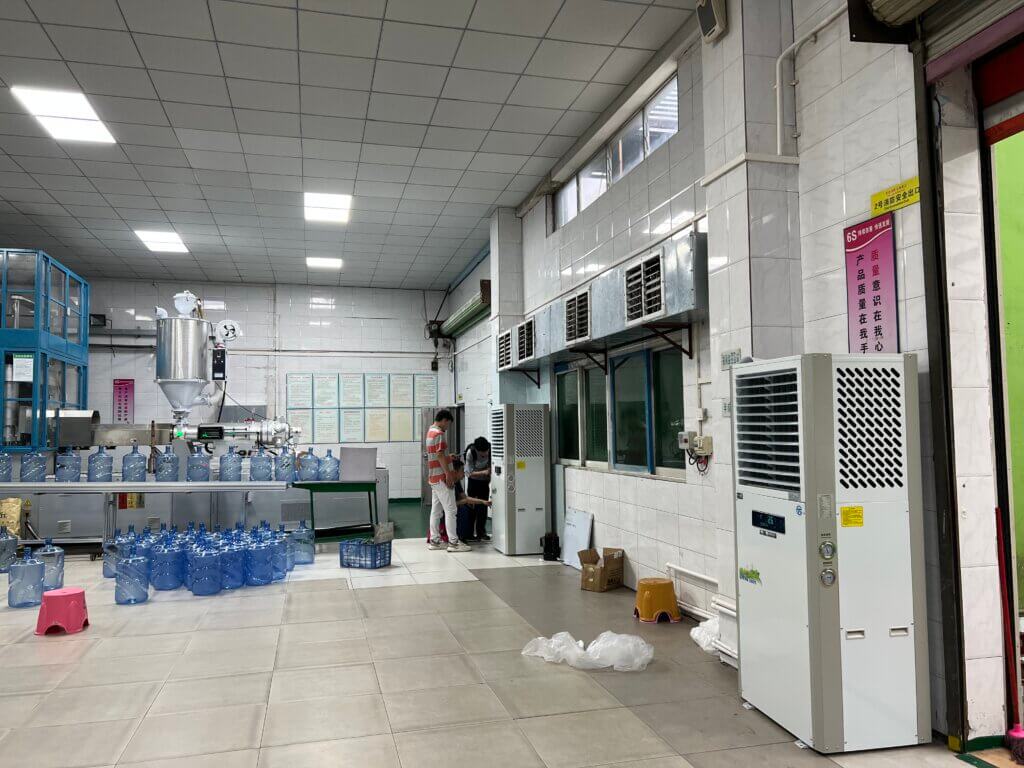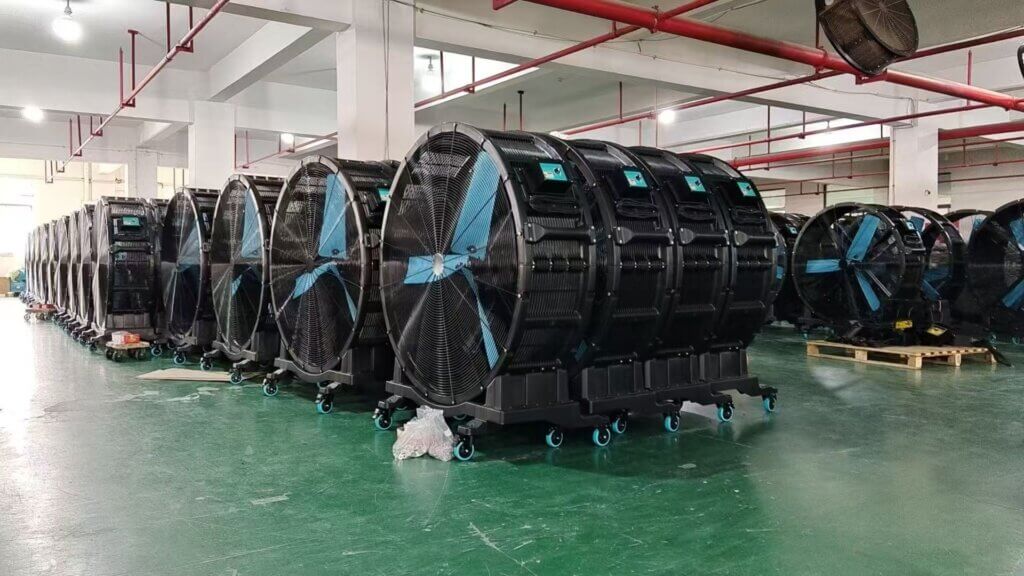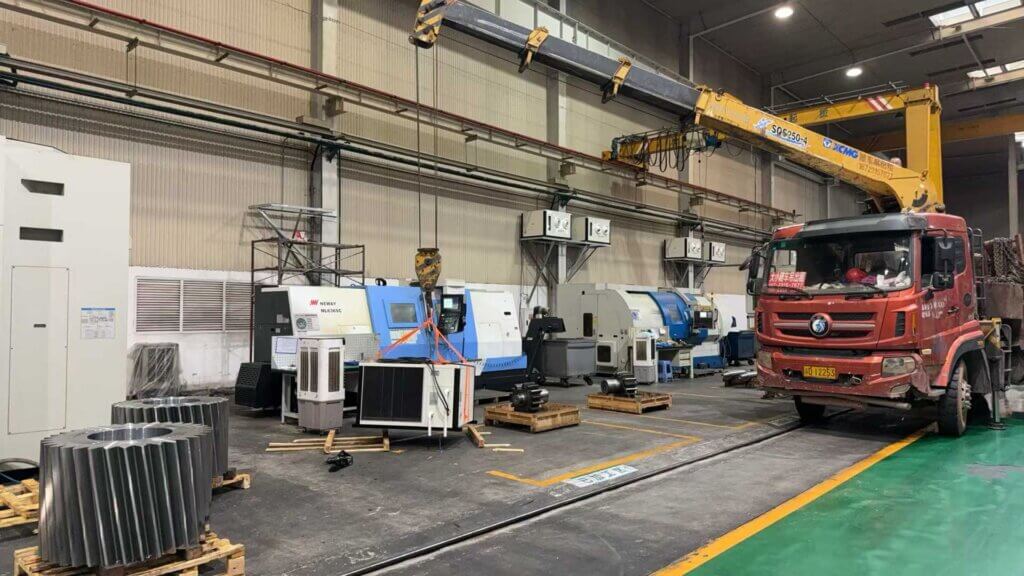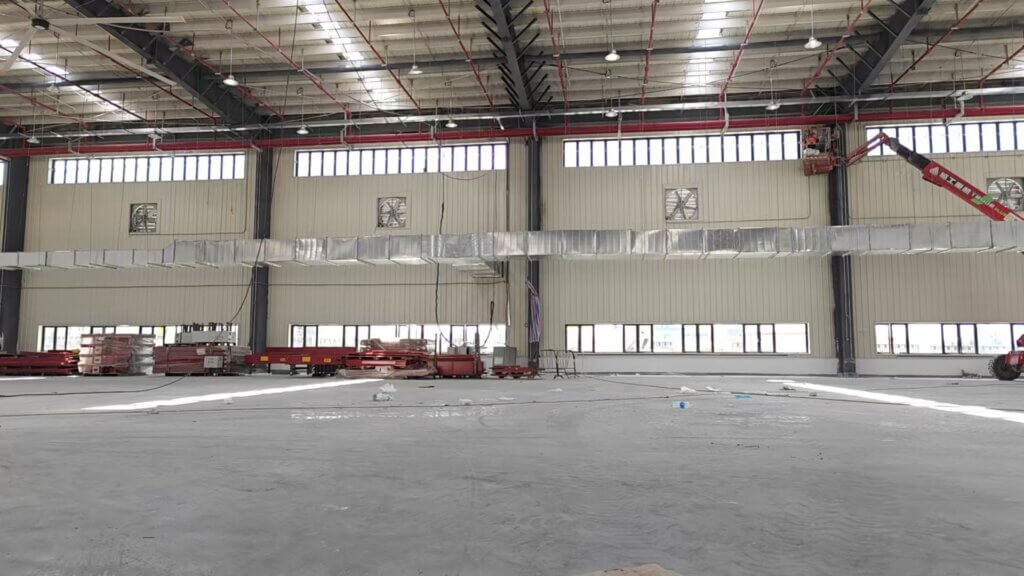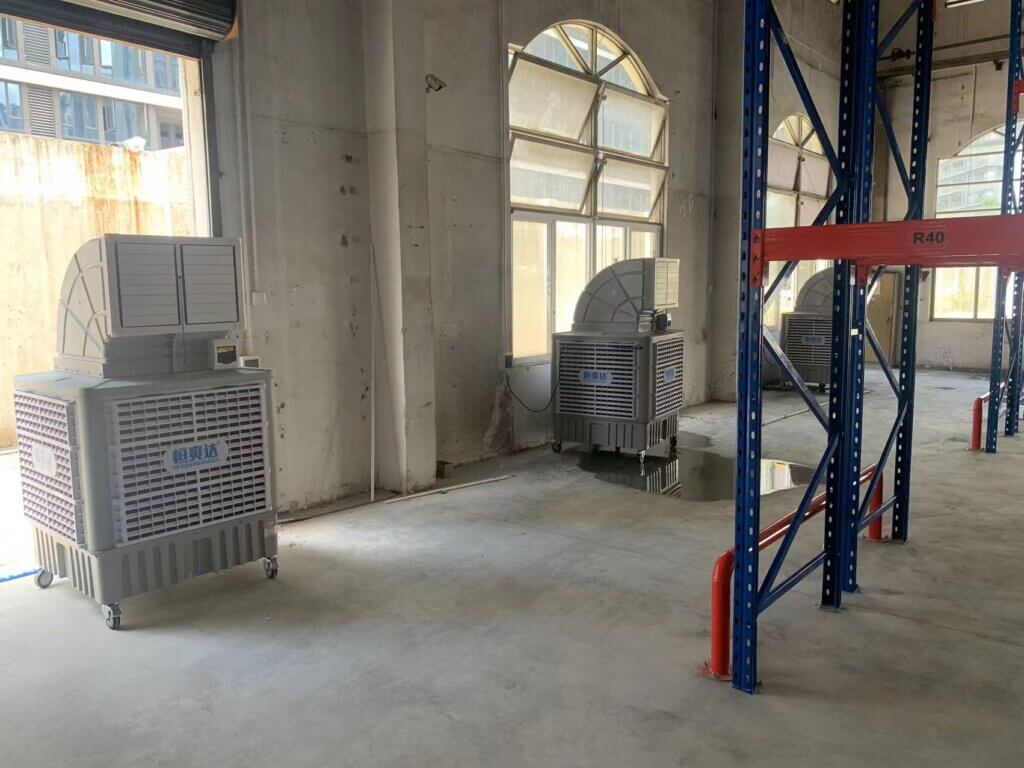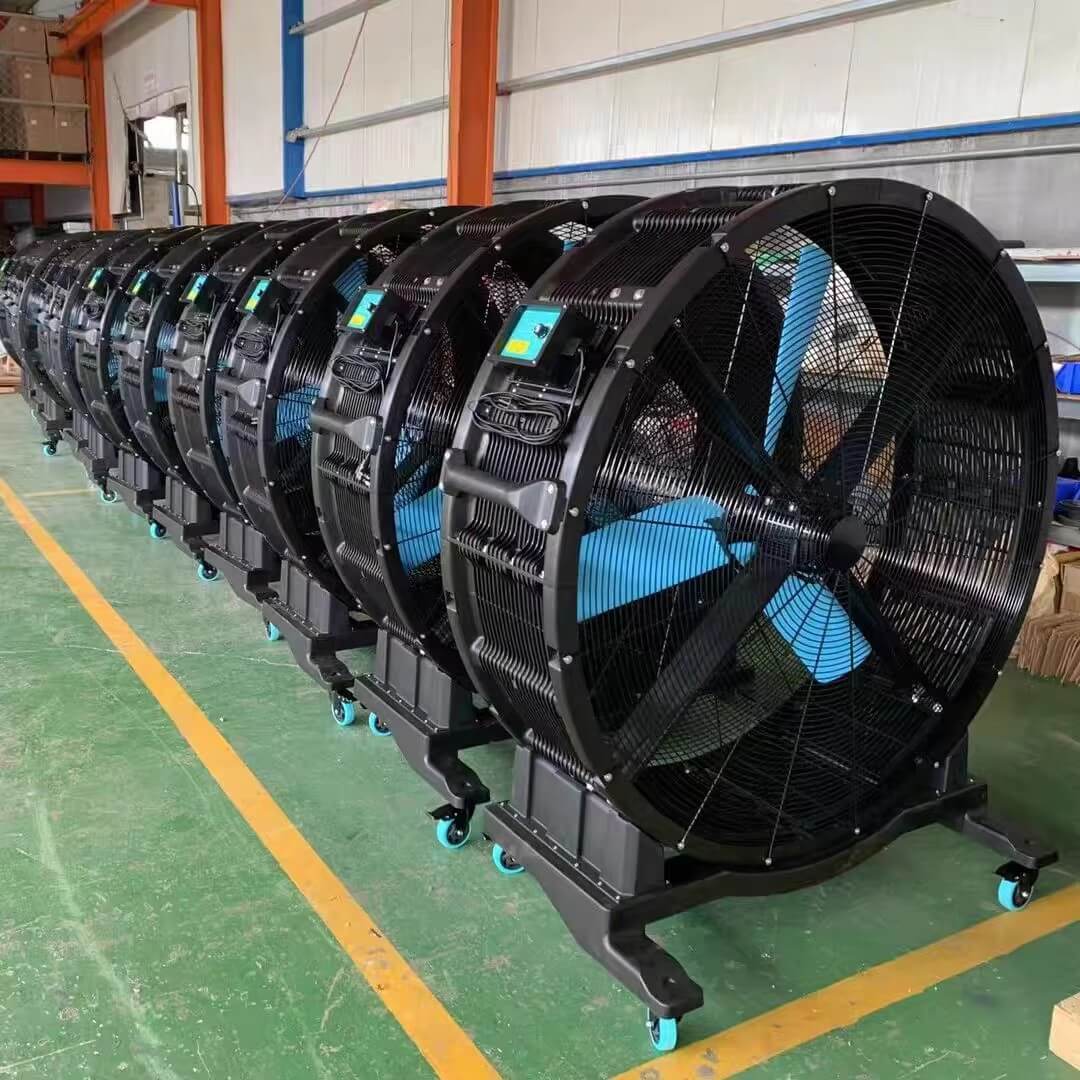
There is no fixed number of portable drum fans that suits every workshop. Estimate the quantity by identifying the work areas that need directed airflow, reviewing the room layout and checking whether air reaches each target zone in practice. Catalog airflow is a useful comparison point, but it does not guarantee a particular coverage area in a real building.
1. Decide which areas need airflow
Mark the stations where people work, the tasks that create heat, and any shared areas that need general air movement. A large workshop may have several distinct zones separated by machinery, racks, partitions or production lines. A fan placed for one station may not direct useful airflow to another area around a corner or behind an obstruction.
Also decide what the fan is expected to do. A portable drum fan moves air; it does not lower the room’s air temperature or replace a designed ventilation or local-exhaust system. If the goal involves removing process fumes, dust or heat at its source, assess the required extraction and safety controls separately.
2. Use product airflow as a starting point
Compare the listed airflow, fan diameter, rated power, electrical supply and noise information for the exact model under consideration. The Hengshuangda product range includes three-blade and five/six-blade portable drum fan listings with different model sizes. Check the current model details before planning a layout.
Do not turn a catalog airflow figure directly into a promised floor-area figure. The published product information does not describe all measurement conditions or the effect of every workshop layout. Ask for the basis of any airflow comparison, and treat a preliminary fan count as a site-planning estimate.
3. Make a zone-by-zone layout
For an initial plan, count the occupied or process zones that need directed air movement and mark a possible fan position for each. Check that each position has a clear inlet and discharge path, does not obstruct an aisle or work activity, and can be reached without creating a cable or trip hazard. Follow the selected model’s operating instructions and keep its guard in place.
Start with the smallest practical layout that can serve the identified areas, then assess it while the workshop is operating normally. Confirm that air reaches the intended work positions and ask operators whether the arrangement is useful. Move a fan or add another only where an uncovered zone remains. If the result is important for process control or workplace heat management, use a qualified site assessment rather than relying on a rule based only on square metres.
4. Review the plan as conditions change
Production lines, stored materials and temporary partitions can change the path of moving air. Recheck the layout after equipment is moved, a work area changes, or seasonal conditions affect how the space is used. Portable models with casters can be repositioned between work areas; secure them according to the product instructions before operation.
In very hot or humid conditions, a fan may not be an adequate heat-control measure by itself. Follow the workplace heat-safety plan and consider the full set of appropriate engineering and work-practice controls. Do not treat a larger fan count as a substitute for assessing the heat hazard.
Frequently asked questions
Can I calculate the number of fans from floor area alone?
No. Floor area does not show where people work, how equipment blocks airflow, or whether the air reaches the intended zones. Use the room plan and actual operating conditions as part of the estimate.
Should I choose the largest portable drum fan?
Not automatically. Match the exact model’s listed airflow, size, rated power, electrical requirements and noise information to the work area, then confirm the result in use.
Do portable drum fans cool the whole workshop?
A fan circulates or directs air; it does not refrigerate the room. Air movement can help with comfort in suitable conditions, but it should not be presented as a guaranteed reduction in room temperature.
Review the portable drum fan product details and the guide to comparing portable drum fan blade configurations when preparing a workshop layout.