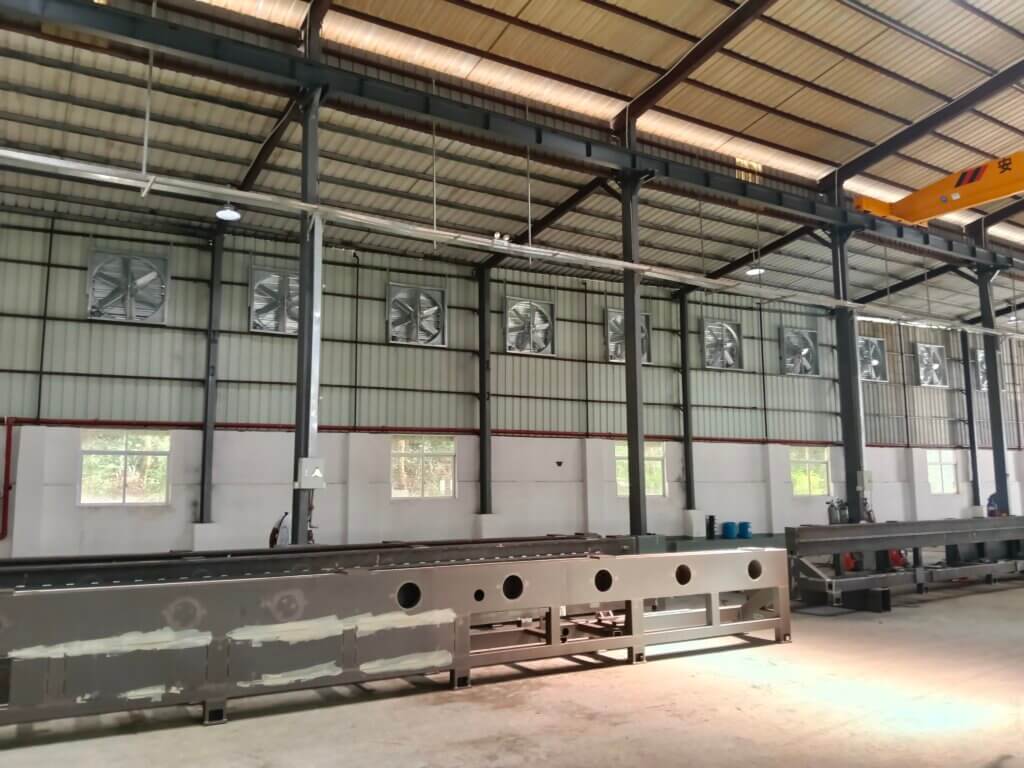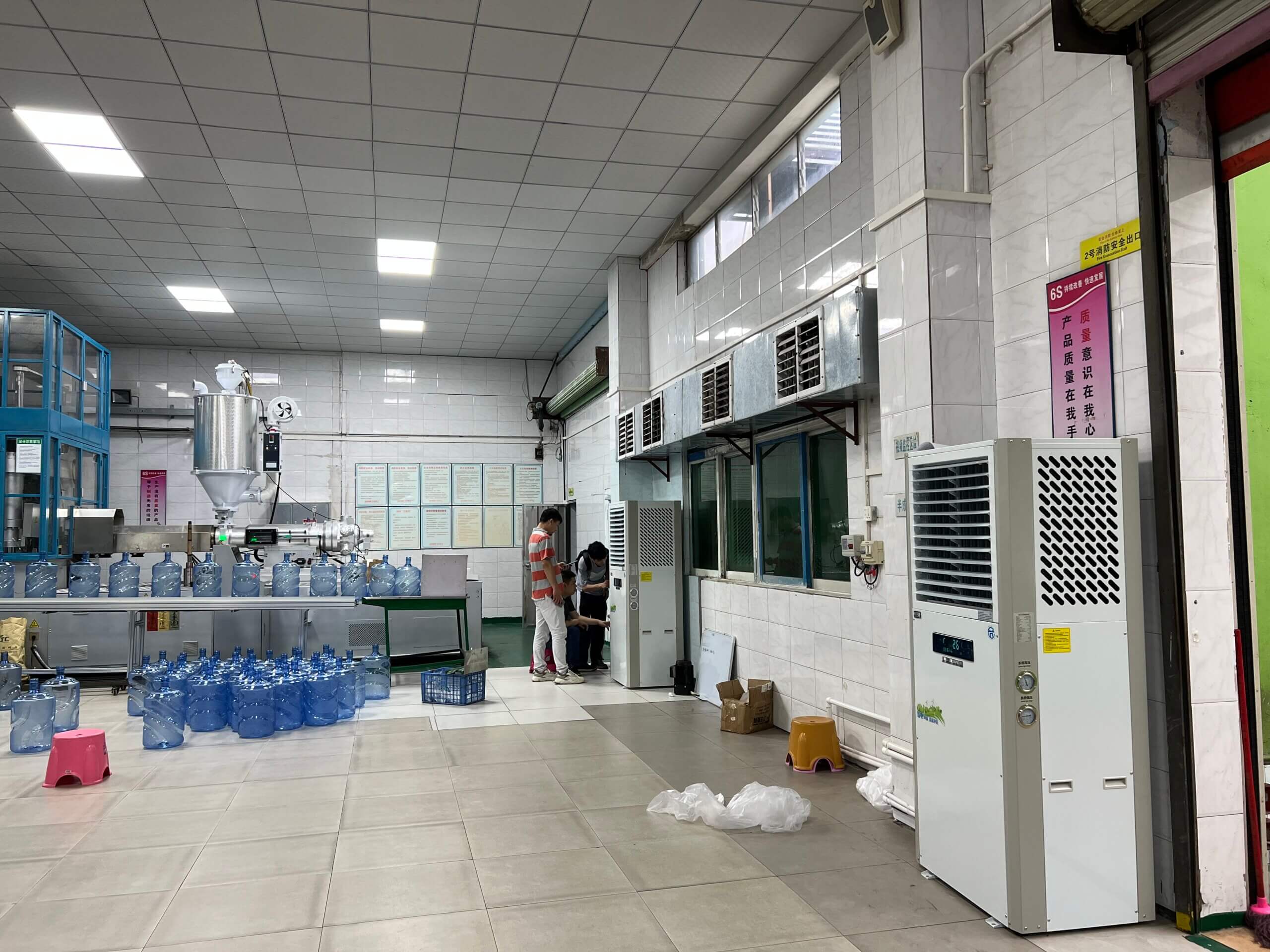
An industrial air conditioner operating schedule should follow the facility’s working hours and cooling demand. Start by mapping shifts, process heat and the time a space takes to reach its required conditions. Then use the unit’s supported controls, monitor comfort and energy use, and adjust the schedule from measured results. There is no single timer setting that fits every factory.
1. Map shifts and cooling demand
List the hours when people work in each area, when heat-producing equipment operates, and when loading doors or other openings are in use. Note weekends, breaks and planned shutdowns as well. If production continues outside the main shift, record those periods separately instead of assuming the whole facility has one schedule.
Compare the schedule with the actual conditions operators need. A production process, stored material or occupied work area may have its own temperature or humidity limits. Confirm those requirements with the responsible facility or process team before changing cooling hours.
2. Set start and stop times from observation
Do not assume that the air conditioner should start exactly when a shift begins. During a trial period, record when the space reaches its required conditions after startup and when it moves outside those conditions after shutdown. The building, outdoor weather, equipment load and door activity can all affect the result.
Use these observations to choose practical start and stop windows. If the system serves separate areas, only create different schedules where the installed controls and system design support them. Check the exact model’s operating instructions before using timers or automatic modes.
3. Keep temperature settings consistent
Agree on a suitable operating range with the people responsible for comfort, production and equipment. Avoid frequent, large manual changes that make it difficult to compare operating results. If a temporary override is needed, record who made it, why, and when the normal schedule should resume.
Use only setpoints and control functions available for the selected model. This guide does not prescribe a universal temperature: the appropriate setting depends on the application, local requirements and the manufacturer’s instructions.
4. Review energy use with operating records
Record the schedule, runtime, meter readings where available, indoor conditions and any production or comfort issues. Compare periods with similar weather and operating loads. Change one schedule element at a time, then review whether the space still meets its requirements. This makes it easier to see whether a change helped or created a problem.
Runtime alone does not equal energy consumption: actual power use depends on the equipment and how it operates under changing conditions. For a cost estimate, use measured energy data when available. If using rated input as a planning estimate, state the assumed hours and remember that real consumption may differ.
5. Include maintenance and shutdown checks
A schedule cannot compensate for blocked airflow or overdue service. Follow the manufacturer’s maintenance instructions for the exact model, including inspection and cleaning tasks that apply to its design. Before a long shutdown, check the operating manual for any required shutdown, restart or power-isolation procedure.
Frequently asked questions
Should an industrial air conditioner run all day?
Only if the facility’s operating needs require it. Match operating hours to occupied areas, production schedules and required conditions, then confirm the plan against the equipment instructions.
Can I turn the system off when a shift ends?
That depends on process requirements, the building’s response and any conditions that must be maintained after hours. Check those requirements before shortening operating time.
Will a tighter schedule guarantee lower electricity bills?
No fixed schedule guarantees a particular bill or saving. Review actual meter data, operating conditions and the needs of the space before judging the result.
For a related comparison of capacity, rated input and operating assumptions, read the industrial energy-saving air conditioner buying guide. To discuss a site-specific cooling plan, use the Hengshuangda project inquiry page.