This negative pressure fan maintenance checklist helps facility teams inspect the exhaust path and notice changes such as unusual noise, vibration, visible damage, or reduced airflow. Use it as a general planning aid. The maintenance interval and service steps depend on the exact fan model, so follow the manufacturer’s instructions and the facility’s safety procedures.
Before inspecting the fan
Tell affected staff that the fan is being checked. Before cleaning, opening a guard, or servicing the equipment, isolate its energy source and follow the site’s approved energy-control procedure. Confirm that moving parts have stopped. Only trained and authorized personnel should open electrical enclosures or remove guards. Refit all guards and covers before the equipment returns to service.
1. Check the inlet and exhaust path
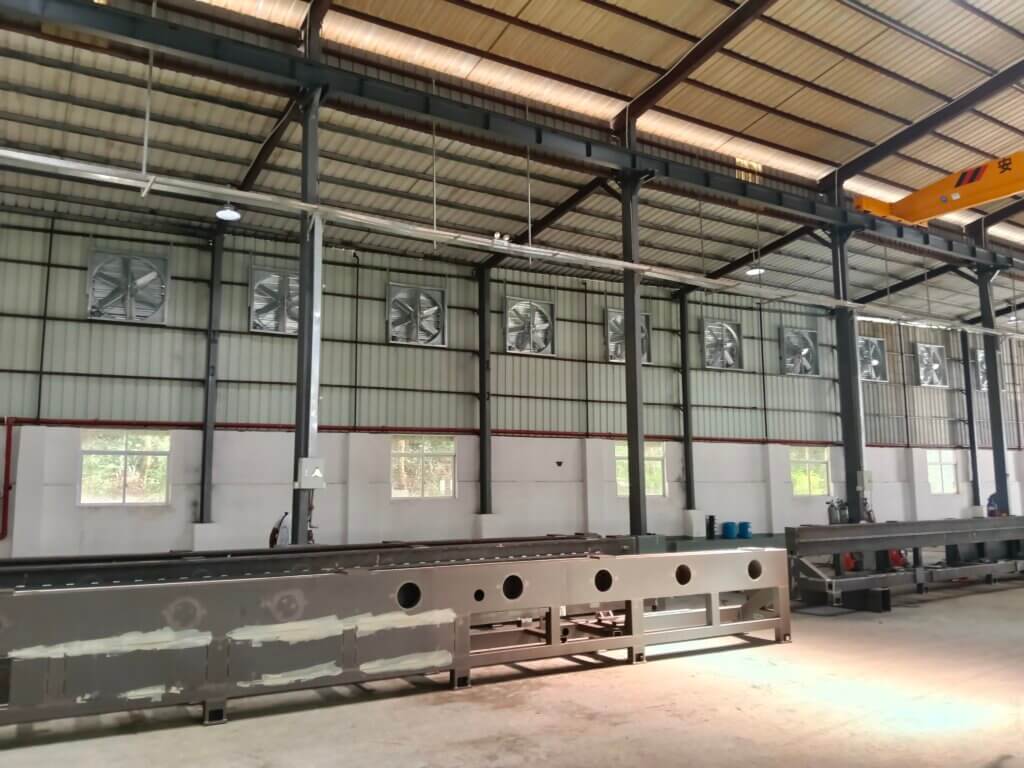
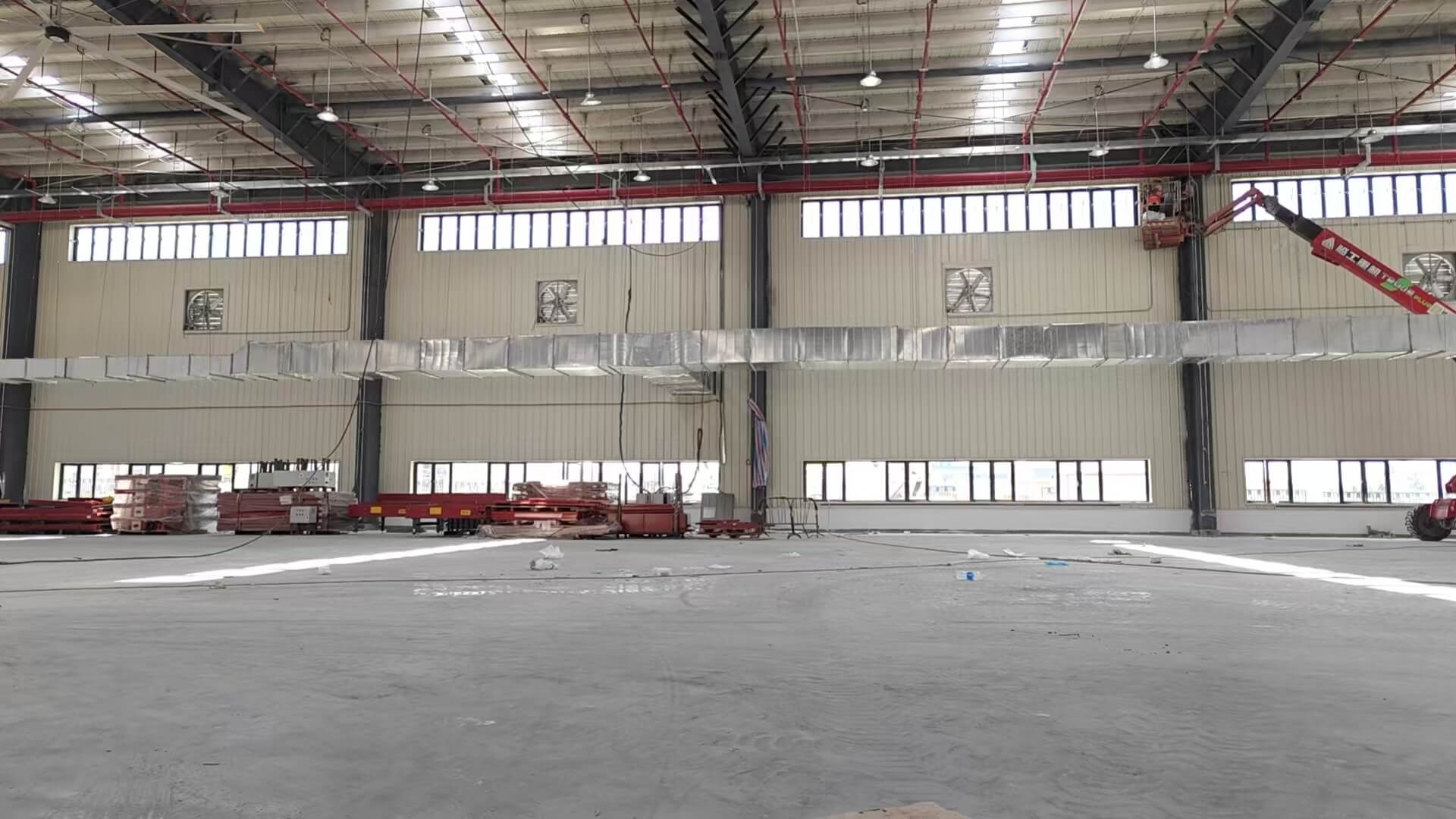
Look for dust, packaging, stored materials, vegetation, or other obstructions at the air inlet and discharge. Keep planned make-up-air openings clear so replacement air can reach the occupied area. Check that exhaust air is not being drawn straight back through a nearby opening. Changes to doors, partitions, storage, or adjacent equipment can alter the airflow route even when the fan itself has not changed.
For the basics of the air route, see our negative pressure exhaust fan ventilation guide.
2. Inspect guards, mounting, and visible condition
From a safe position, look for loose or damaged guards, cracked supports, loose-looking fasteners, corrosion, or signs that the fan has shifted. Do not operate equipment with a missing guard or unstable mounting. If the inspection requires working at height or accessing structural connections, follow the facility’s approved procedures and have qualified personnel perform it.
Material suitability can change with moisture, chemicals, cleaning agents, or outdoor exposure. Our galvanized fan material guide and FRP fan selection checklist explain why model-specific construction details matter.
3. Observe operation after the inspection
When the fan has been returned to service under the site procedure, observe it from a safe location. Note unusual noise, increased vibration, visible wobble, a change in the sound of airflow, or a noticeable change in ventilation. Compare observations with the fan’s normal operating condition and previous inspection notes. Stop the fan and arrange a qualified assessment if a new or worsening abnormal condition appears; do not try to correct a mechanical or electrical fault while it is running.
4. Clean and service according to the model
Dust or deposits can collect on exposed surfaces and components. Clean only the areas and parts specified in the model instructions, using the recommended method. Keep water and cleaning products away from electrical components unless the manufacturer’s procedure specifically permits their use. Do not assume that a fan requires lubrication, belt adjustment, or a particular cleaning interval; these details vary by construction.
If the fan has damaged wiring, a loose component, a cracked blade, recurring vibration, or visible corrosion, record the condition and arrange service. Do not return damaged equipment to normal operation until it has been assessed.
5. Keep a simple inspection record
Record the inspection date, operating condition, visible issues, cleaning completed, and any service action requested. Note changes to the room layout or make-up-air openings that could affect performance. A consistent record helps maintenance staff distinguish a new issue from an existing condition and provides useful information when asking a supplier about a specific model.
Important model and product note
The current Hengshuangda product directory does not list a negative pressure fan model. This article is general maintenance guidance and does not assign service intervals, specifications, or performance claims to a catalog product. Before purchase or service, confirm current product availability and obtain the exact model’s operating and maintenance documentation. See the Hengshuangda product directory for the products currently listed.
Frequently asked questions
How often should a negative pressure fan be inspected?
Use the inspection schedule in the exact model’s documentation and the facility’s maintenance plan. Operating conditions, dust, moisture, and changes to the space can affect how often checks are needed.
Can I clean a fan without switching off the power?
No. Before cleaning or servicing, isolate the energy source and follow the facility’s approved safety procedure and the manufacturer’s instructions.
What can cause airflow to change?
Obstructed inlet or exhaust openings, changes to the replacement-air route, deposits, or a mechanical issue may change observed airflow. Check the full air path and ask a qualified technician to assess suspected equipment faults.
Should I lubricate the fan during routine maintenance?
Only if the instructions for the exact model call for it and specify the method. Fan designs differ, so do not apply a generic lubrication schedule.
Maintenance checklist
- Keep inlet, discharge, and planned make-up-air openings clear.
- Check visible guards and mounting for damage or movement.
- Observe for new noise, vibration, wobble, or airflow changes.
- Isolate energy and follow approved procedures before cleaning or service.
- Use the model manual for cleaning methods, intervals, and any component service.
- Record findings and refer faults to qualified service personnel.
A useful maintenance routine checks both the fan and the route air takes through the building. Follow the exact model documentation, record changes, and stop operation when a new condition could make continued use unsafe.