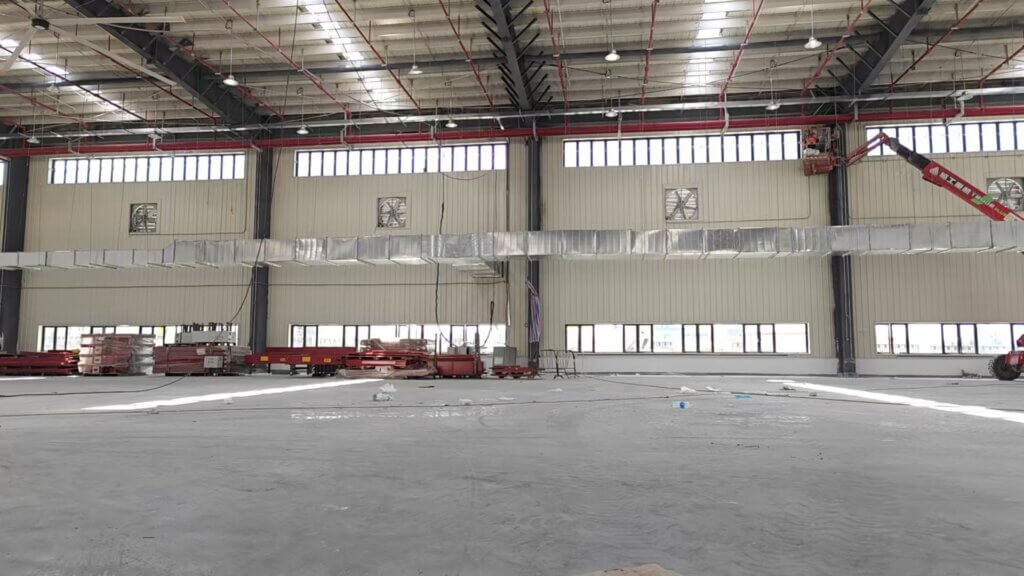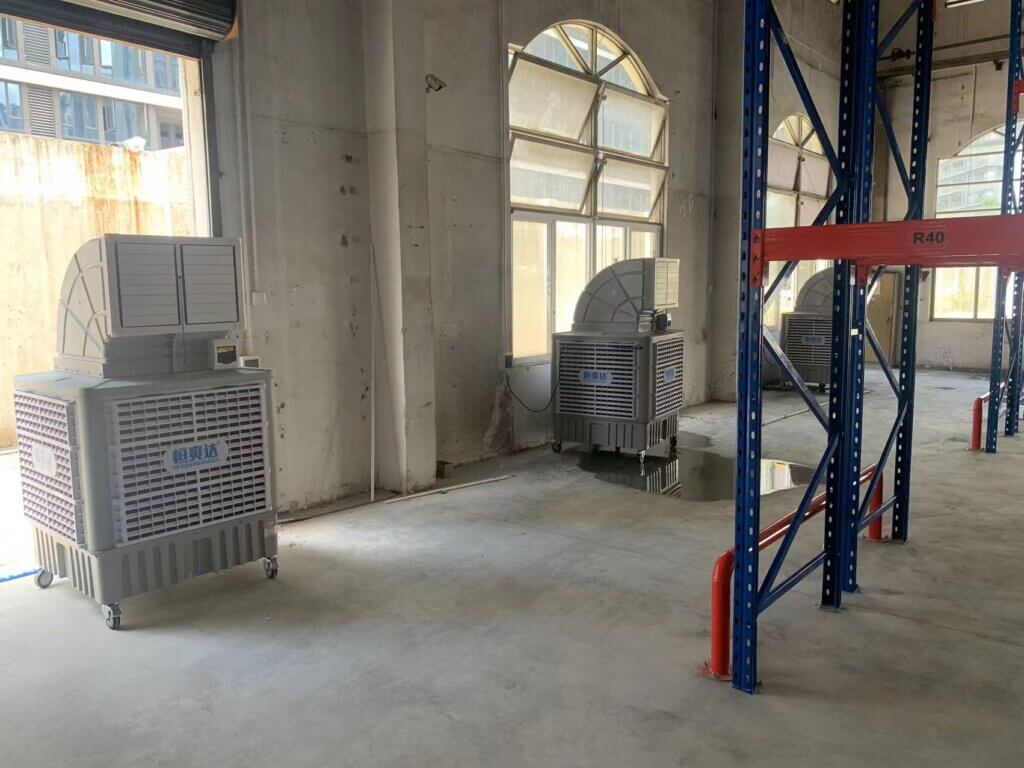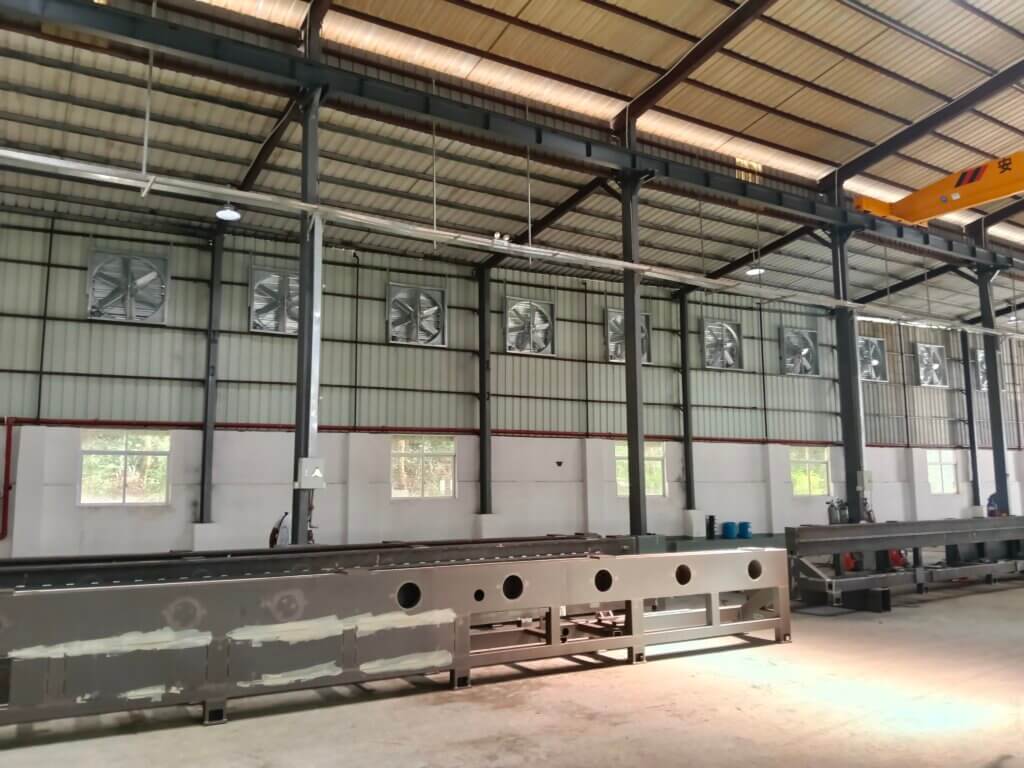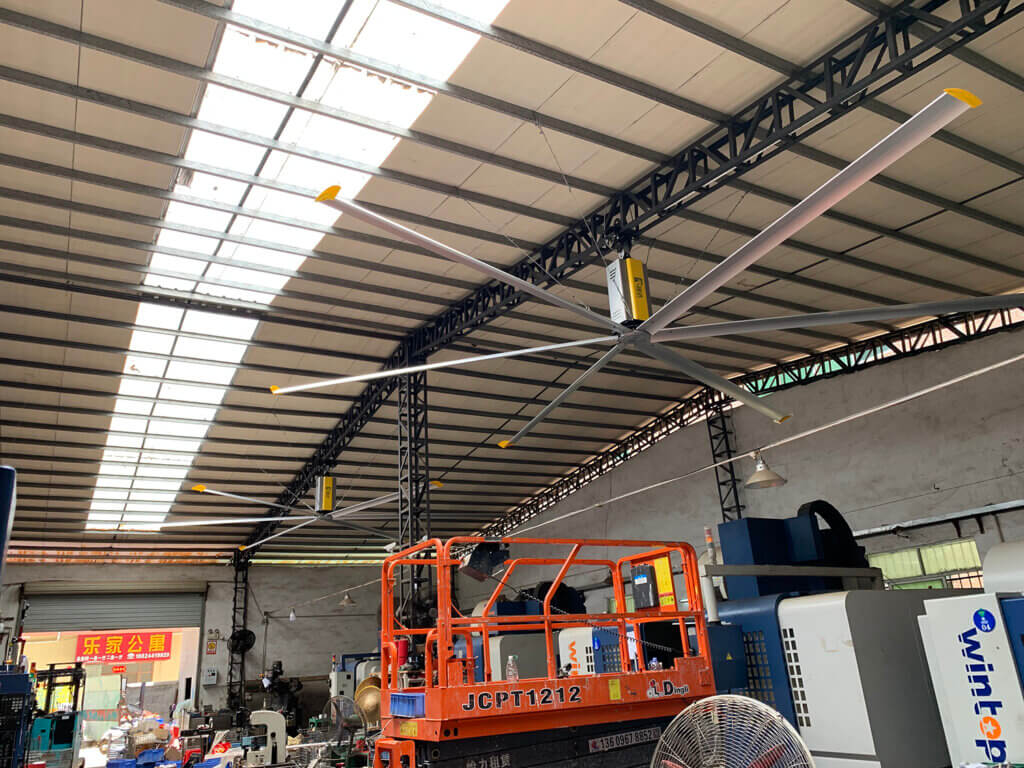
Choosing an industrial energy-saving air conditioner should start with the heat load of the space and the conditions in which the unit will operate. The term “energy-saving” alone does not show how much electricity a model will use. Compare documented cooling capacity, rated power input and efficiency data under comparable test conditions, then check that the proposed system suits the building and work schedule.
1. Start with the cooling load
Before comparing equipment, identify the area to be cooled, ceiling height, insulation and openings, heat from machinery and lighting, occupancy, outdoor conditions, and the hours when cooling is needed. A qualified designer or installer can use these details to estimate the design cooling load. Floor area alone is not enough to select a unit because two spaces with the same area can have very different heat gains.
A unit that is too small may struggle to maintain the required indoor conditions during peak heat. A unit that is much larger than the actual load may cycle or operate inefficiently, depending on its design and controls. Ask suppliers to explain the assumptions behind the capacity recommendation rather than relying on a rough rule of thumb.
2. Compare cooling capacity and electrical input separately
Cooling capacity describes the heat the equipment can remove under stated conditions. Rated electrical input describes the power it draws at the rating point. These figures answer different questions: capacity helps show whether the unit can meet the load, while input power contributes to expected electricity use.
When reviewing quotations, compare the same type of capacity and input figures, the stated test conditions, and the same operating mode. Efficiency indicators such as EER or other locally applicable ratings can help compare models only when their definitions and test conditions are aligned. Ask for the manufacturer’s data sheet and clarify which figures apply to the exact model and configuration being offered.
3. Estimate energy use for your operating schedule
A simple first-pass estimate is rated input power in kilowatts multiplied by operating hours. This gives an approximate number of kilowatt-hours at the assumed full-load input. Actual consumption can differ because cooling demand changes with outdoor temperature, setpoint, occupancy, machinery heat, controls, maintenance and part-load operation. Use the same schedule and assumptions when comparing quotations, and treat the estimate as a planning aid rather than a guaranteed bill.
For a useful comparison, ask each supplier to state the assumed daily hours, days per year and expected operating conditions. If a supplier quotes energy savings, ask for the baseline model, calculation method and conditions behind the estimate.
4. Check the site and operating requirements
Confirm the available electrical supply, installation space, air distribution plan, drainage needs where applicable, access for service and any site-specific environmental requirements. In a production area, consider whether the cooling target applies to the whole building or to selected work zones. The final layout should account for the building and process, not only the equipment nameplate.
Controls also matter. Ask how the system responds to changing loads, whether schedules or temperature settings can be adjusted, and what information operators can see. Any control feature should be confirmed for the selected model instead of assumed from a general product description.
5. Review service and ownership costs
Compare the written scope of supply, installation responsibilities, warranty terms, recommended maintenance and availability of service support. A lower purchase price does not by itself establish lower lifetime cost. For a fair review, consider the equipment price, installation, expected energy use under stated assumptions, routine maintenance and the cost of downtime relevant to your operation.
Questions to ask before choosing
- What cooling load and site information were used to recommend the capacity?
- Are the quoted capacity, input power and efficiency figures for the exact proposed model?
- Under what test conditions were those figures measured?
- What operating schedule and load assumptions were used for any energy estimate?
- What electrical, installation, drainage and maintenance requirements apply?
Frequently asked questions
Does a higher cooling-capacity number mean lower electricity use?
No. Capacity indicates heat-removal ability, while electrical input and efficiency data describe power use at specified conditions. Compare both and match the capacity to the calculated load.
Can I estimate yearly electricity cost from rated input power?
You can make a rough estimate by multiplying input power by the expected operating hours and then by your electricity tariff. The estimate becomes less reliable if the unit’s load varies or the rated input does not represent typical operation. Request a transparent calculation based on your schedule.
What information should I provide for a quotation?
Share the room or building dimensions, ceiling height, insulation and openings, equipment heat, occupancy, location and outdoor design conditions, target indoor conditions, operating hours, available power supply and installation constraints. These details help a supplier assess the application.
Related Hengshuangda information
For an example of an industrial cooling application, see the clothing factory cooling solution case. It is a site case page; confirm the technical details and suitability of any proposed equipment for your own project.