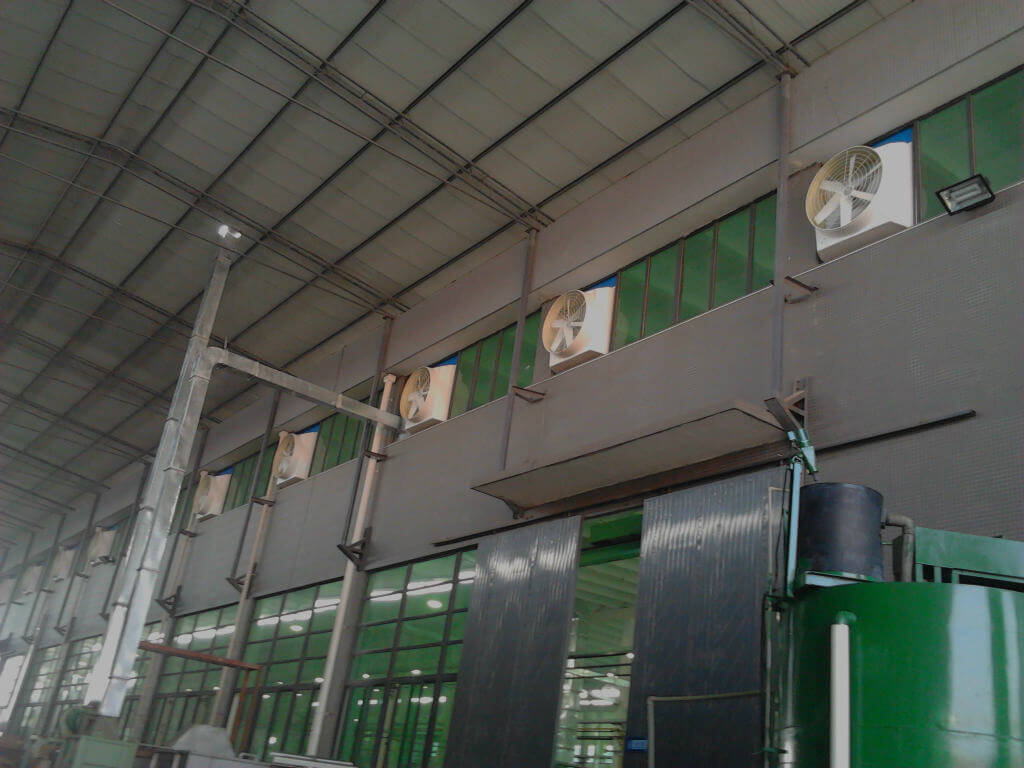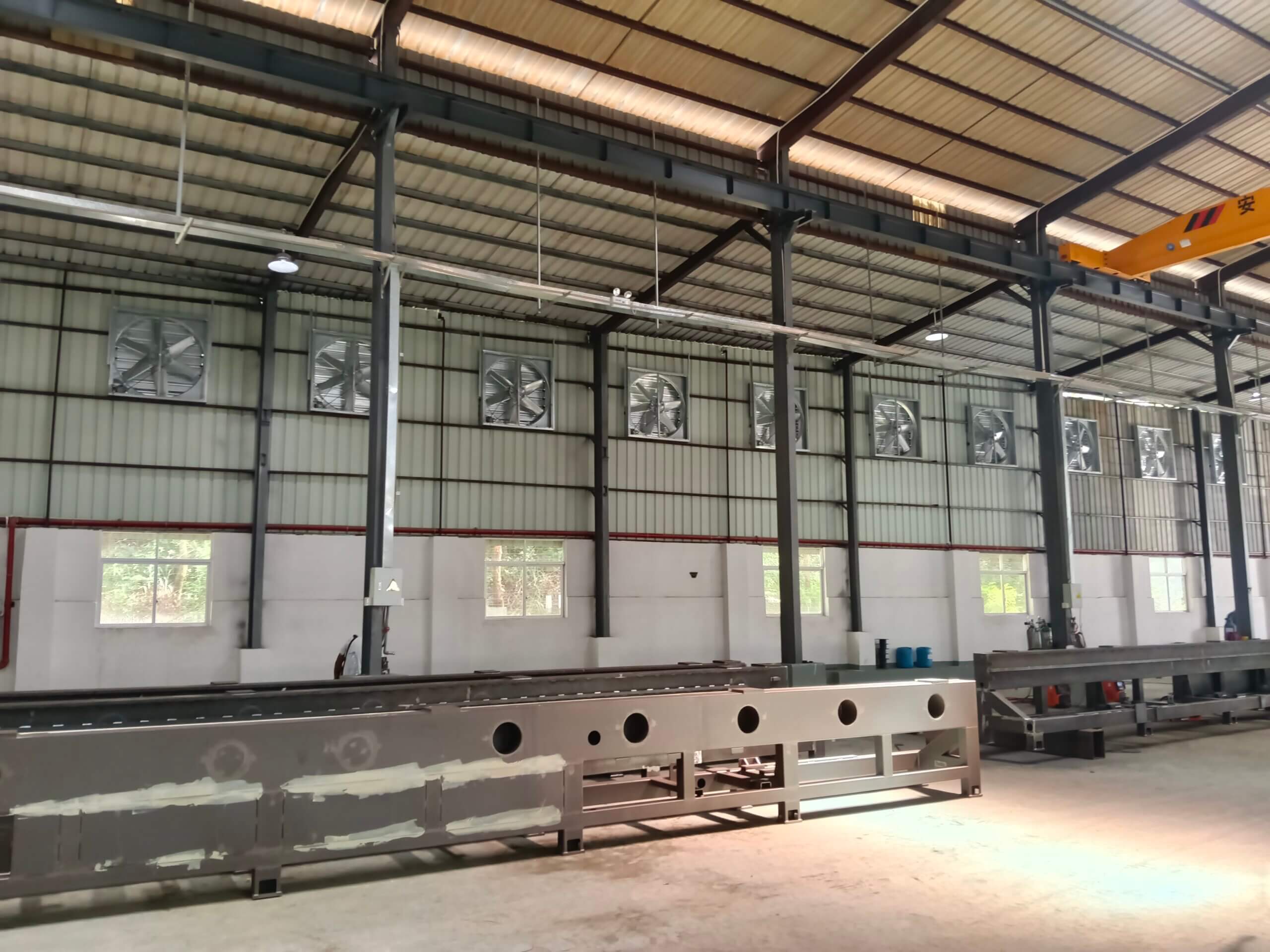
A galvanized negative pressure fan with a galvanized sheet housing can be considered for general exhaust in buildings where its construction and coating match the air and exposure conditions. Galvanized sheet provides a zinc-coated steel surface, but the word “galvanized” alone does not confirm how a particular fan will perform in humid, chemical, coastal, or washdown environments. Confirm the exact model construction and the site conditions before specifying it.
What galvanized sheet tells you—and what it does not
A zinc coating helps protect steel from corrosion by separating it from the surrounding environment. Galvanized sheet products can differ in coating process, coating amount, fabrication, and treatment of cut or joined areas. A fan may also combine different materials across its casing, frame, fasteners, and moving parts. Ask for model-specific material information instead of assuming every component has identical protection.
Galvanized steel is not a universal corrosion-proof material. Its suitability depends on the exposure and product details. Visible appearance by itself cannot establish a coating specification or expected service life.
Where a galvanized negative pressure fan may fit
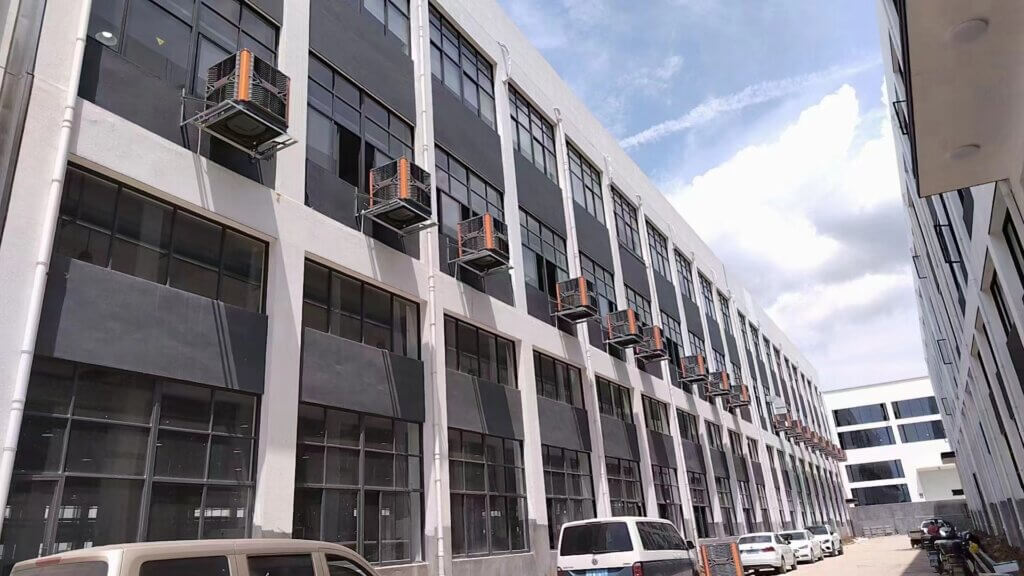
For a factory or workshop using general exhaust to remove warm or stale indoor air, galvanized sheet construction may be one option to evaluate when the air is not unusually corrosive and the fan’s documented materials match the environment. The ventilation plan still needs a clear path for replacement air and an appropriate exhaust location. Read our guide to how negative pressure exhaust fans move air through a building for the airflow basics.
This is a material-selection starting point, not confirmation that a particular fan is suitable for every process. General room exhaust may also be insufficient for fumes, dust, or contaminants that need capture near their source or other controls.
Conditions to review before choosing the material
- Moisture: note persistent condensation, high humidity, direct rain, and whether water can collect on or inside the fan.
- Airborne substances: identify salt, cleaning chemicals, process vapors, and dust that may contact the fan. Share the substance and operating conditions with the supplier.
- Cleaning: describe washdown frequency, cleaning agents, and how quickly surfaces dry. Do not assume a coating tolerates every chemical or cleaning method.
- Handling and installation: consider scratches, cut edges, drilling, fasteners, and contact with dissimilar materials. Ask how any damaged coating should be assessed or repaired.
Questions to ask about a galvanized negative pressure fan
Request the manufacturer’s written material description for the exact model, including the casing and other exposed components. Ask what coating process and specification apply, whether edges or fabricated areas receive additional treatment, and which environmental conditions are outside the intended use. Then compare the fan’s published airflow information with the project duty and expected system resistance, and confirm mounting, electrical, weather-exposure, and service-access requirements.
The current Hengshuangda product directory does not list a galvanized negative pressure fan model, so this article does not assign specifications or performance claims to a specific catalog product. Confirm current availability and model details directly against the product documentation before purchasing.
Inspection and routine care
Inspect the fan when it arrives and after installation for coating damage, loose connections, unusual vibration, or signs of corrosion. Follow the model’s maintenance instructions for cleaning and inspection intervals. If the operating environment changes—for example, a new cleaning chemical is introduced—review material compatibility again with the supplier.
Frequently asked questions
Is a galvanized steel fan suitable for every factory?
No. Suitability depends on the air, moisture, chemicals, cleaning practices, fan construction, and the coating specification. Confirm these details for the intended site.
Does galvanized sheet mean the fan will not rust?
No. A zinc coating offers corrosion protection, but it does not make the fan immune to every exposure or to damage. The coating details and service environment matter.
What information should I provide when requesting a quotation?
Describe the ventilation purpose, indoor and outdoor conditions, moisture, airborne substances, cleaning methods, installation location, and required airflow duty. Ask the supplier to identify the materials and coating used on the proposed model.