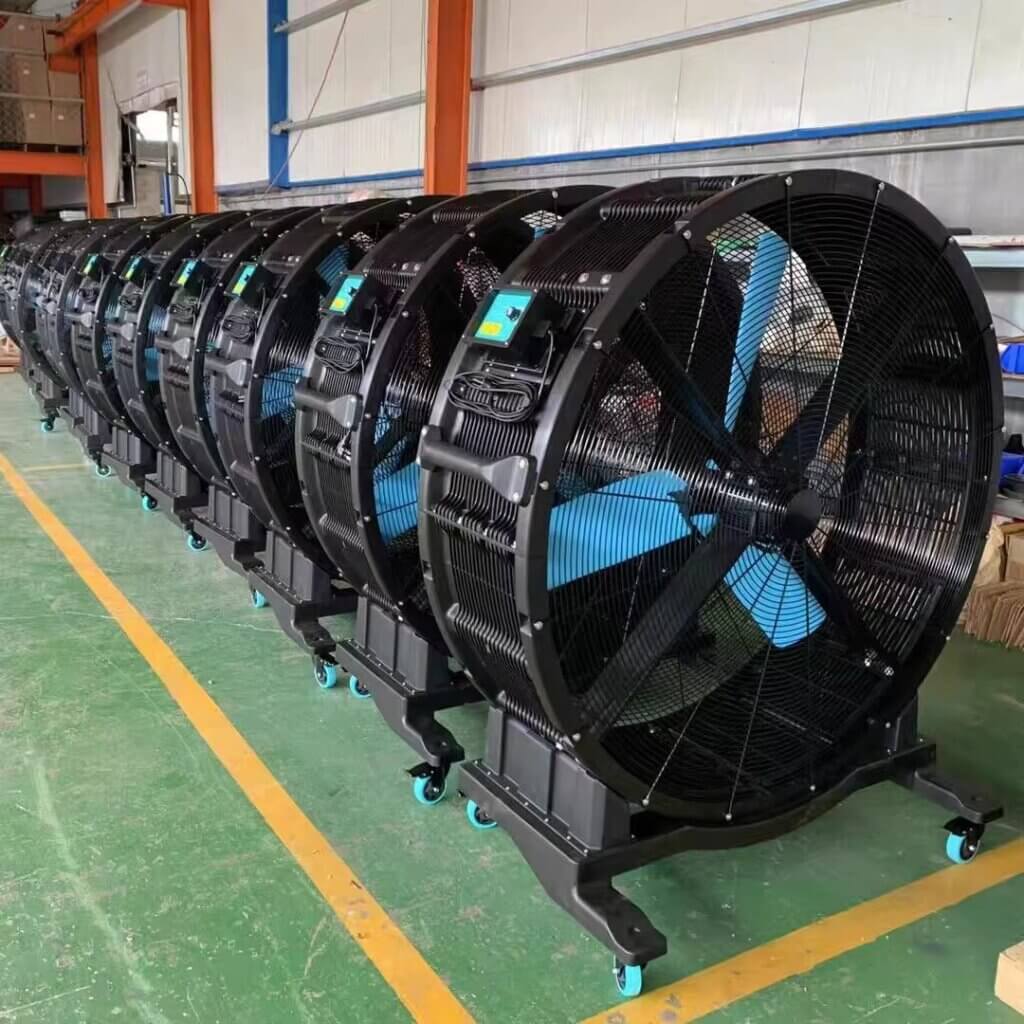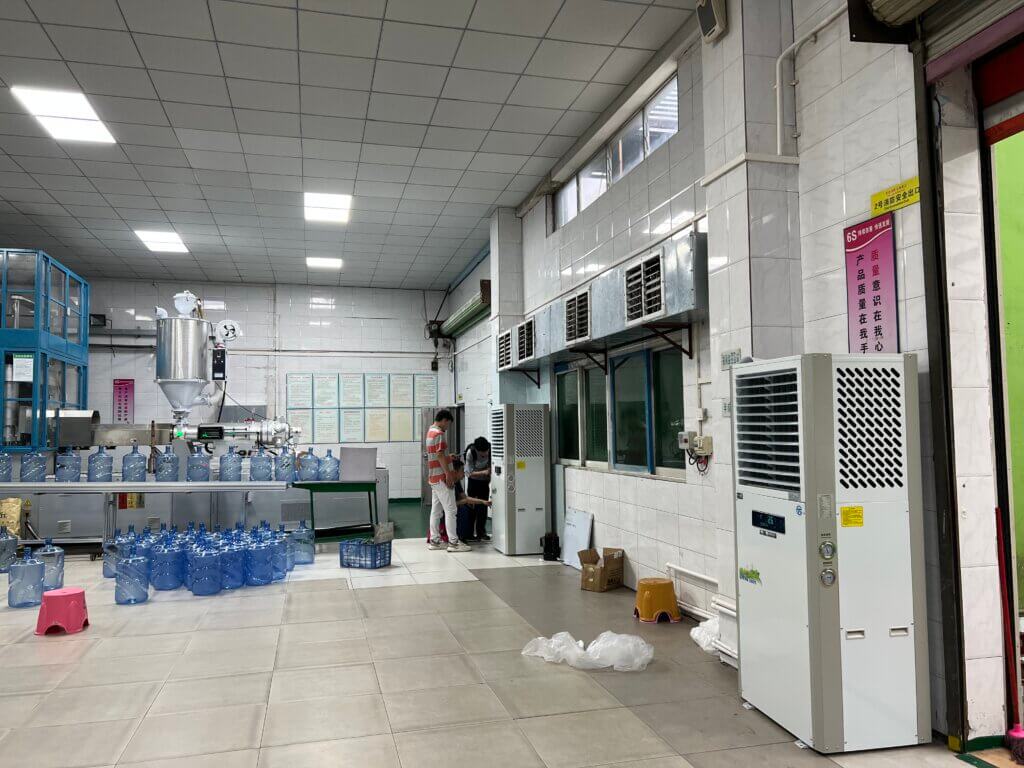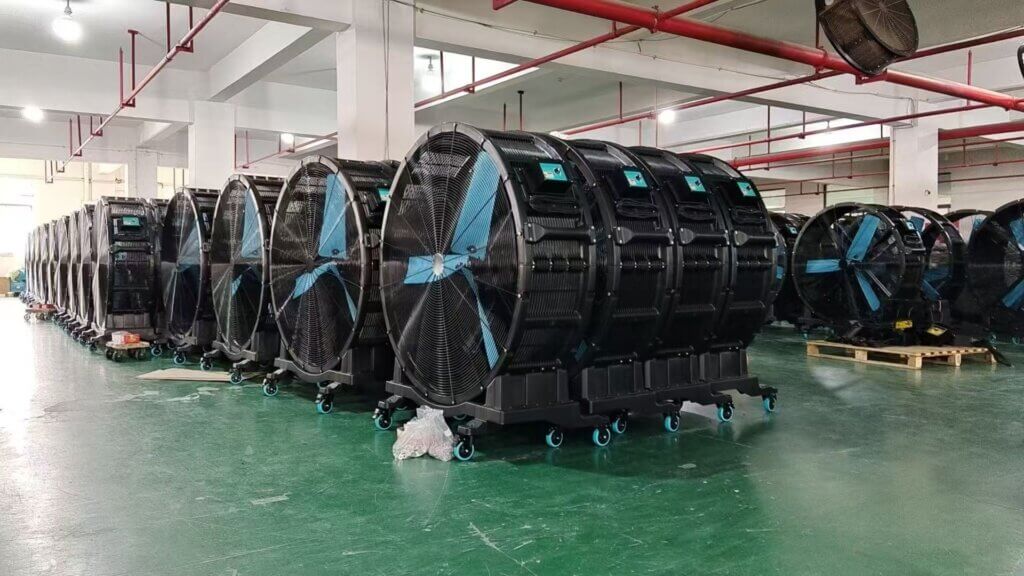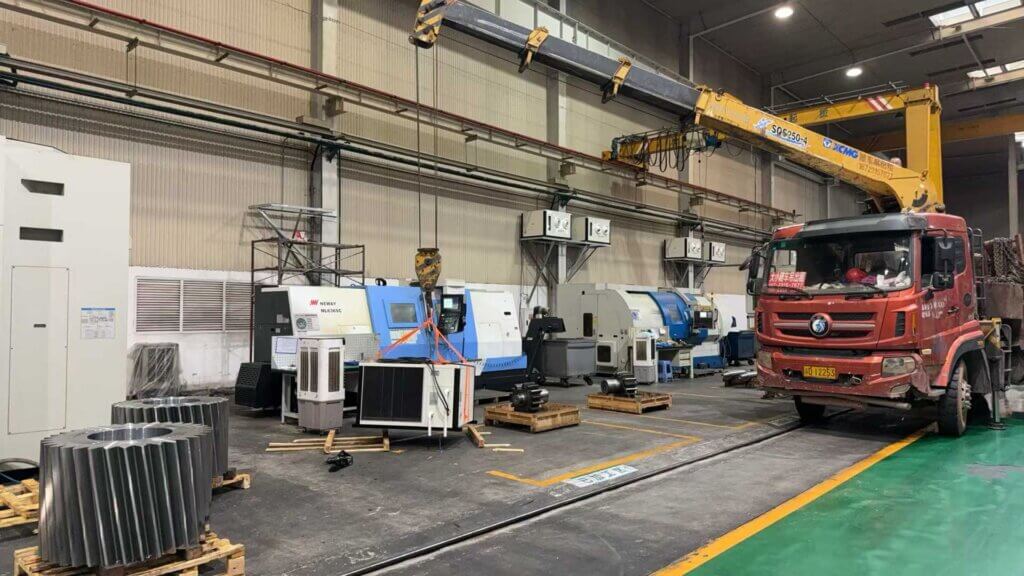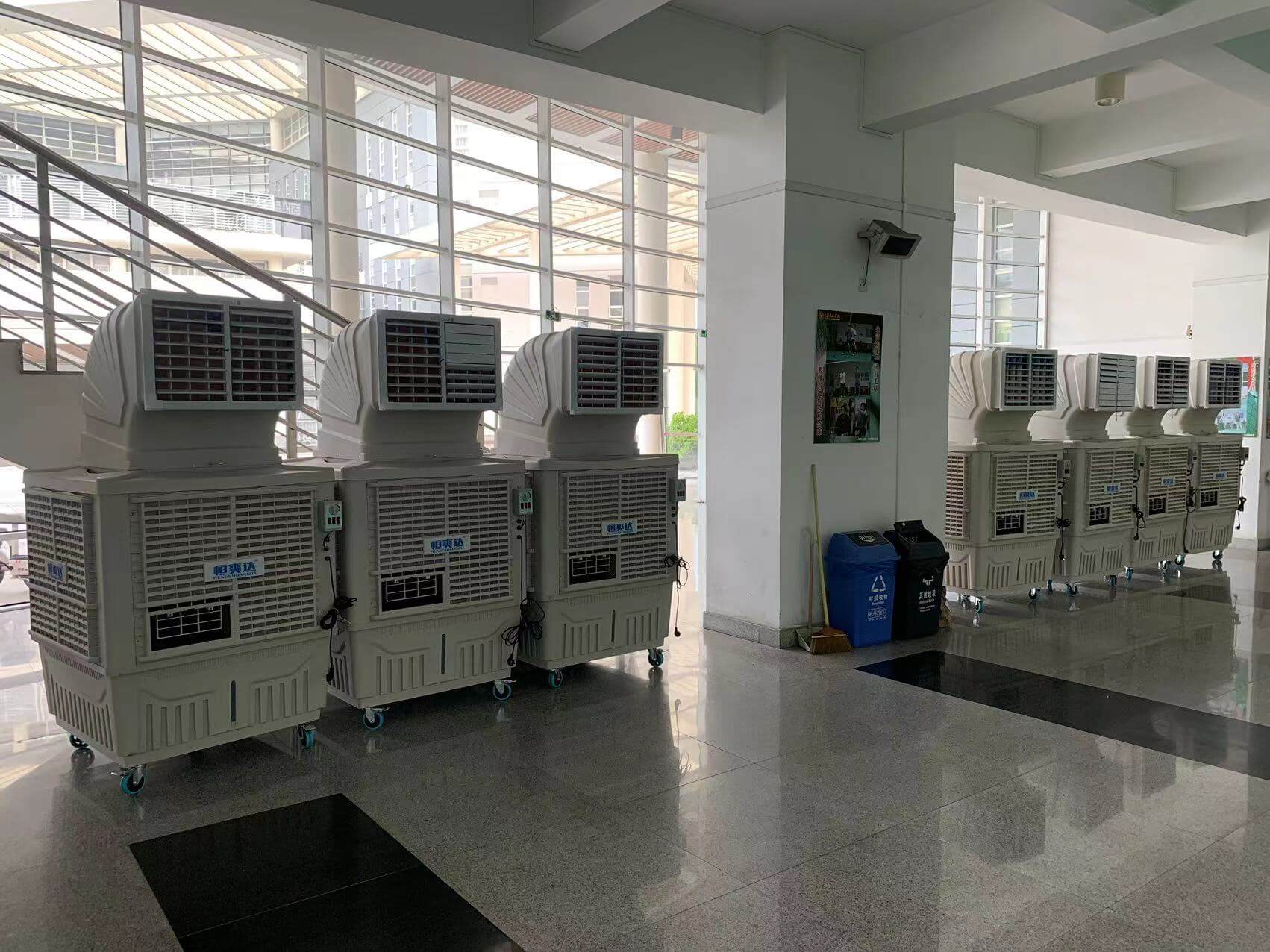
An environmental air conditioner, commonly described on Hengshuangda’s site as an evaporative air cooler, should be assessed in the conditions where people will use it. A focused pilot in one factory zone can help a project team review climate, added moisture and the path for air to move through the space before considering a wider layout.
What a pilot can tell you
Direct evaporative cooling moves air across a moistened cooling medium. As water evaporates, it absorbs heat from the air, cooling the supply air while adding moisture. The site’s cooling-principle article notes that results depend on ambient temperature and humidity and that the method is particularly effective in hot, dry conditions. A pilot can help assess fit for a defined zone; it cannot guarantee the same conditions throughout a large facility.
Select one representative factory zone
Choose a work area with a clear purpose for cooling and describe the people, tasks and operating conditions there. Record whether the area is open, semi-open or enclosed, and note nearby partitions, equipment and doors that influence the air path. Keep the pilot focused on one zone so observations can be related to a real use case rather than generalized across different parts of the building.
Check humidity and process sensitivity
Before the trial, consider whether additional moisture is acceptable for the work and materials in that zone. Hengshuangda explains that evaporative cooling increases air humidity and that suitability depends on the surrounding climate. If a process requires tight humidity control, or the space is already persistently humid, discuss that limitation with the supplier before relying on this cooling method. It does not operate as a refrigerated air conditioner or dehumidifier.
Plan a complete path for the air
Map where supply air would enter the occupied area and how indoor air can leave. Hengshuangda’s workshop setup guidance says to keep the cooler’s intake and outlet clear and to consider openings or a relief-air arrangement. Note potential blockages such as partitions, stored materials and machinery. The appropriate arrangement depends on the building and operating conditions, so avoid assuming that one position will serve every work area.
Keep the pilot conditions consistent
Write down the zone, unit location, operating period and relevant site conditions for each observation. Note whether doors or windows are open, whether nearby processes are operating and whether airflow reaches the intended work area without disrupting the task. Where approved site instruments are already available, record their readings alongside the observations. Compare like with like and treat results as site-specific; do not turn a short trial into a performance claim for a different model or building.
Review the result before expanding
Compare what the team observed with the project’s actual cooling needs and any process limits. If the result is unclear, adjust the location or air path and reassess the same zone. Before choosing equipment or planning a broader system, review the exact model information and site requirements with the supplier. Hengshuangda’s evaporative air cooler selection guide covers broader site-fit considerations, and its mobile cooler workshop setup guide discusses placement and operating checks.
Frequently asked questions
Why test one zone first?
A defined trial helps the team judge the method under the conditions of a specific work area. It does not establish that the same result will apply across the full factory.
Does an environmental air conditioner add moisture?
Yes. Direct evaporative cooling adds moisture to the supply air, so ambient humidity and process sensitivity should be considered.
Is evaporative cooling the same as refrigerated air conditioning?
No. The Hengshuangda cooling-principle article describes water evaporation as the cooling method. It is not a refrigeration cycle and does not dehumidify the room.
Which conditions should be reviewed before a pilot?
Review ambient temperature and humidity, the work area’s moisture limits, the intended air path, open or relief-air routes, and the exact model’s requirements.
Can a pilot confirm cooling for the whole factory?
No. Results from one zone are specific to its layout and conditions. A wider plan needs its own site review and model-specific assessment.
For more background, read Hengshuangda’s article on the cooling principle of evaporative air coolers.