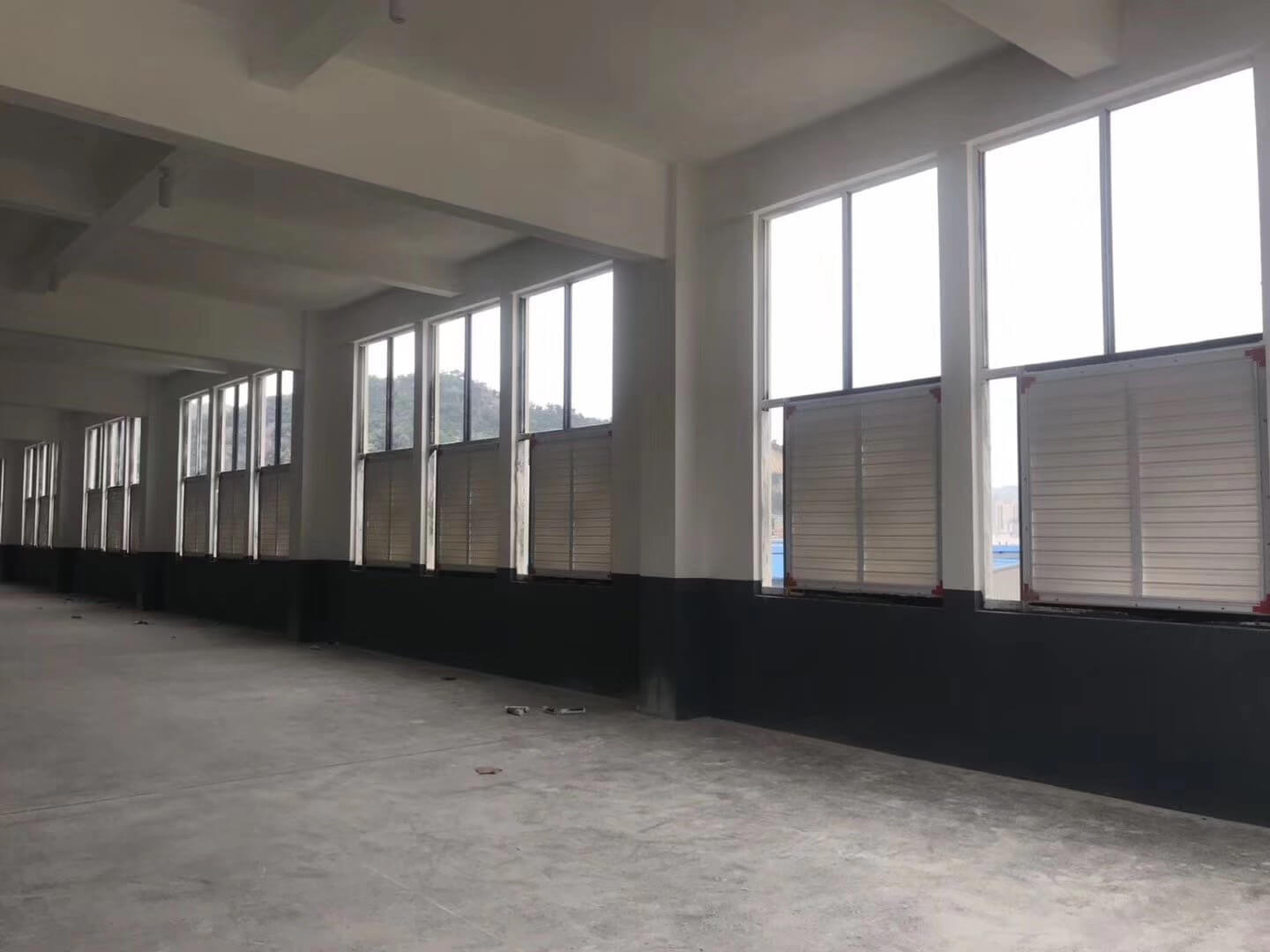
Industrial ceiling fans in winter may help mix warm air that collects near the roof with cooler air below. In a suitable high-ceiling workshop or warehouse, this can reduce temperature differences between the ceiling and occupied zone. A fan does not create heat, replace a heating system, or guarantee lower energy use.
Why warm air collects near a high ceiling
Warm air tends to rise, so a heated building can develop layers with different temperatures. The upper part of a tall room may be warmer than the area where people work. This temperature stratification can make heating less even, especially in large spaces with high roofs. The actual pattern depends on the building envelope, heat sources, air supply, doors, and operating schedule.
How industrial ceiling fans in winter can help
A ceiling fan moves air through the space and can help redistribute some of the warmer air toward the occupied zone. The result is improved air mixing, not additional heat. Whether people feel more comfortable depends on air speed at their workstations, clothing, activity, the heating system, and other site conditions.
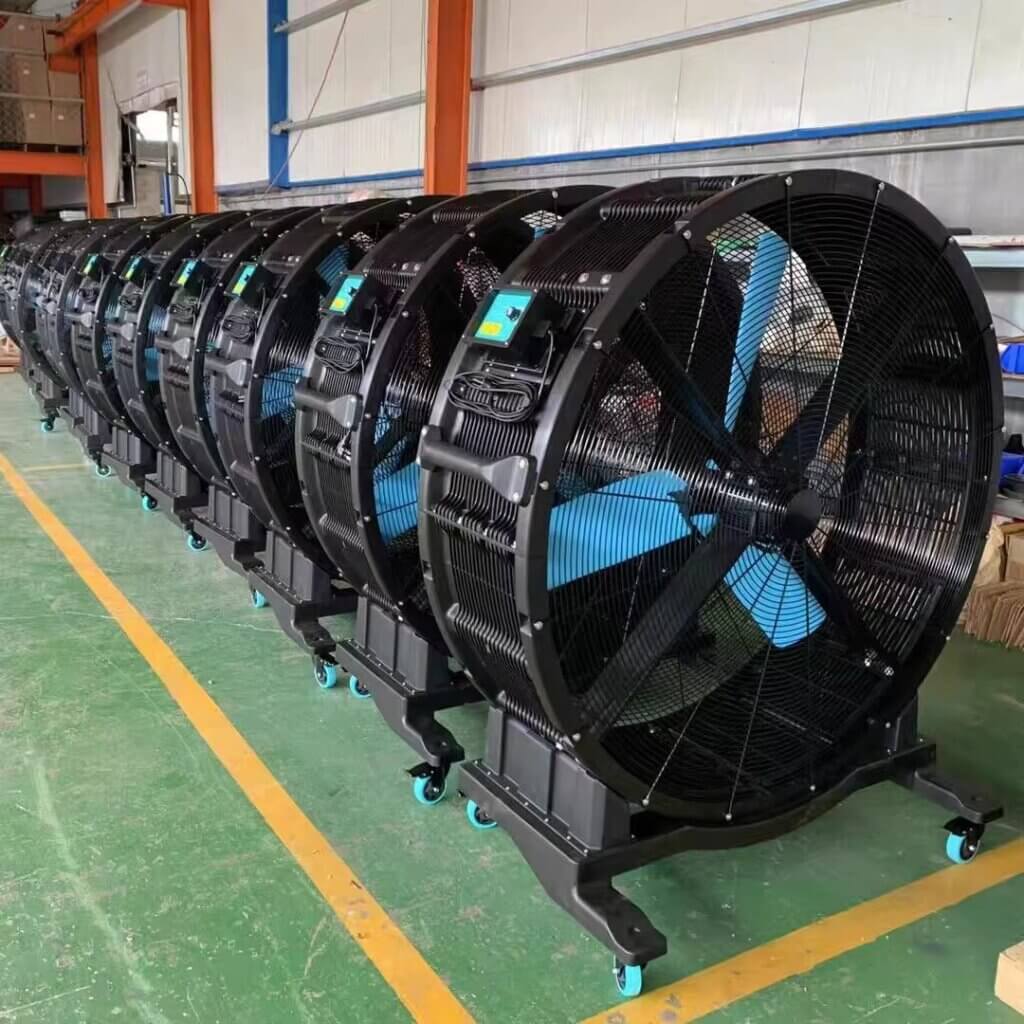
Industrial ceiling fans are used in facilities such as production areas, warehouses, and indoor sports spaces. Review the NORDL industrial ceiling fan product information for the site’s listed models and applications. Confirm that the selected model, mounting arrangement, and operating modes fit the specific building.
What to check before running a fan in winter
- Measure temperatures at more than one height. Compare readings near the occupied zone and higher in the room under similar heating and occupancy conditions. A simple before-and-after check can show whether mixing changes the vertical temperature difference.
- Review the installation area. Check the ceiling structure, fan clearances, lights, sprinklers, ducts, cranes, and other equipment. Use a qualified installer and follow structural and site safety requirements.
- Check the work process. Air movement can affect drafts, dust, lightweight materials, and local ventilation. Keep required exhaust, make-up air, and safety systems operating as designed.
- Confirm the fan’s approved settings. Speed and direction controls vary by model. Follow the product manual; do not assume that every industrial ceiling fan has a winter reverse mode.
Start conservatively and review the result
If the manufacturer’s instructions and site assessment allow winter operation, begin with a permitted low setting. Check air movement and comfort at floor level, then adjust only within the model’s specified operating range. Record temperature readings, operating hours, and any heating-system changes so comparisons reflect similar conditions.
To estimate the fan’s electricity use, use its confirmed input power and actual operating hours; the industrial ceiling fan electricity-use guide explains the basic calculation. This estimate is separate from any change in heating energy, which must be measured at the facility.
What a ceiling fan cannot do
A fan cannot correct heat loss through an uninsulated roof, replace a suitable heating system, or solve every cold-workstation problem. It may also create unwanted drafts if speed or placement is unsuitable. Industrial ceiling fans move air; they do not lower the room’s measured air temperature. See what to expect from industrial ceiling fan airflow for a related explanation.
Frequently asked questions
Will an industrial ceiling fan make the floor warmer?
It may help mix air between the upper and occupied zones, but the temperature change at floor level depends on the building, fan layout, heating system, and operating settings. Measure conditions before and after rather than assuming a result.
Should I reverse the fan direction in winter?
There is no universal setting for every industrial model. Check the manufacturer’s instructions for the specific fan and use only its approved direction and speed settings.
Will winter operation reduce heating costs?
Air mixing may help in some high-ceiling spaces, but energy savings are not guaranteed. Compare heating and fan energy under similar operating conditions before making a cost claim.
Which product details should I confirm?
Confirm the fan’s rated input, available controls, installation requirements, clearances, and intended application with the product documentation and supplier before specifying it for winter use.