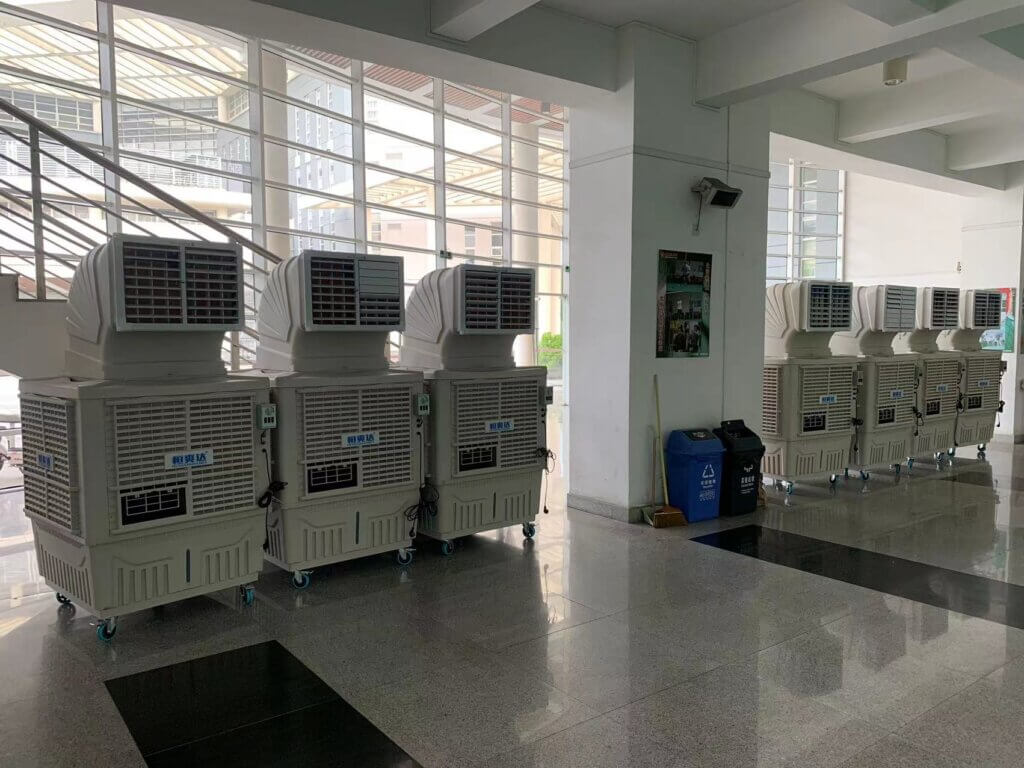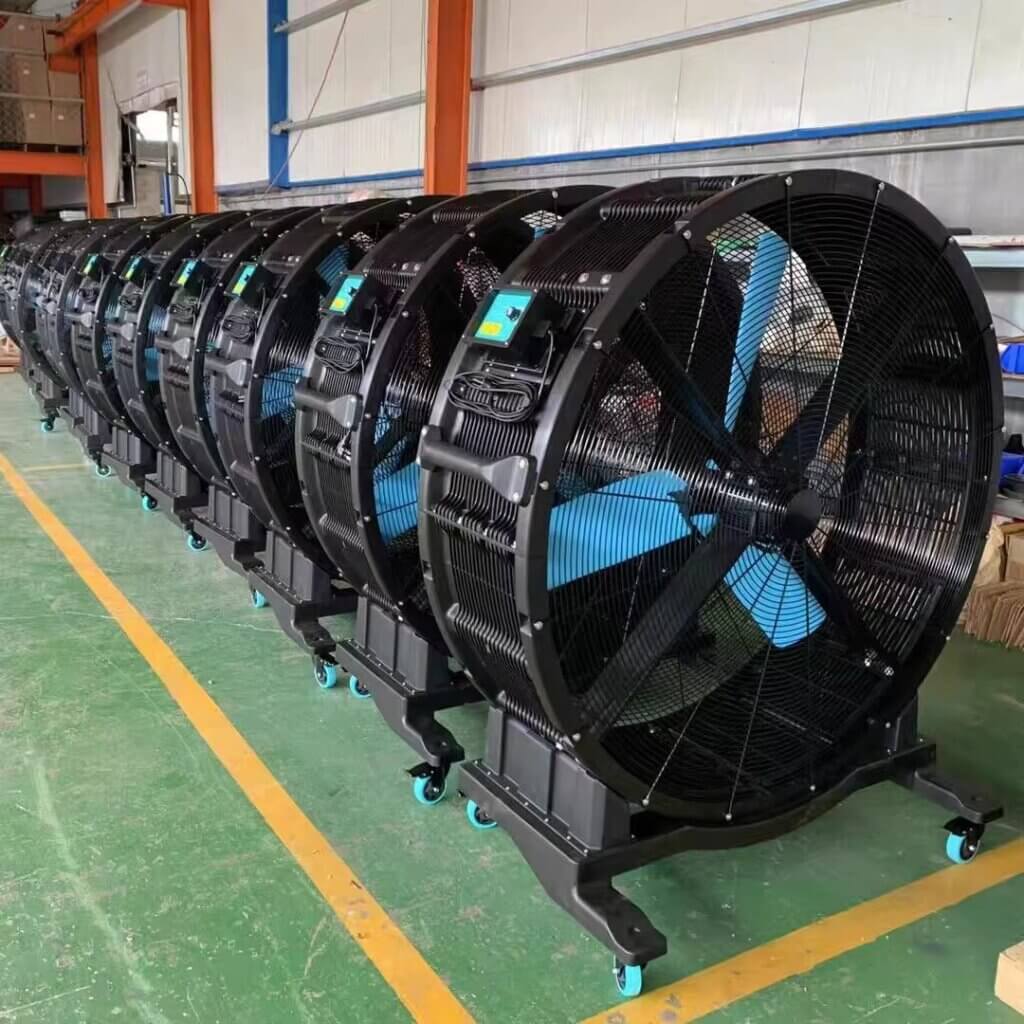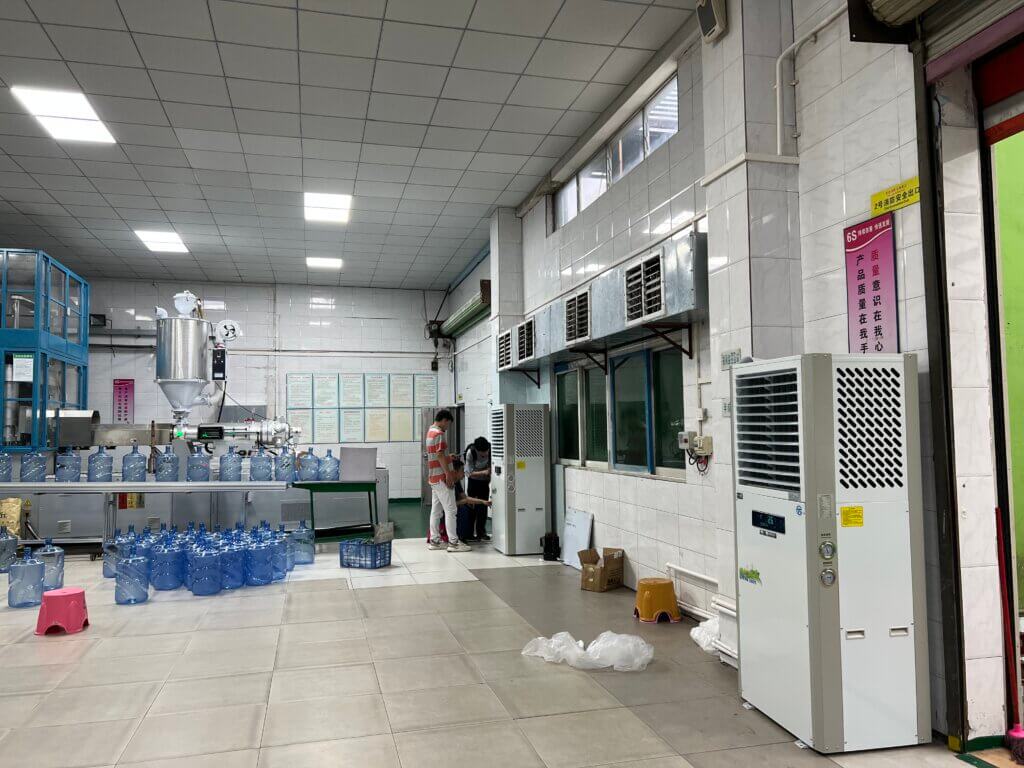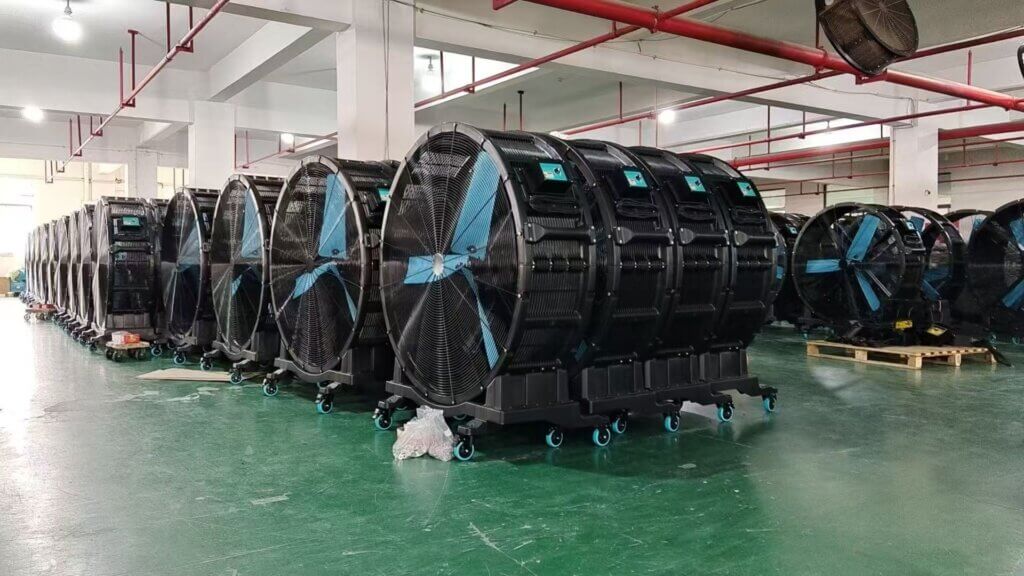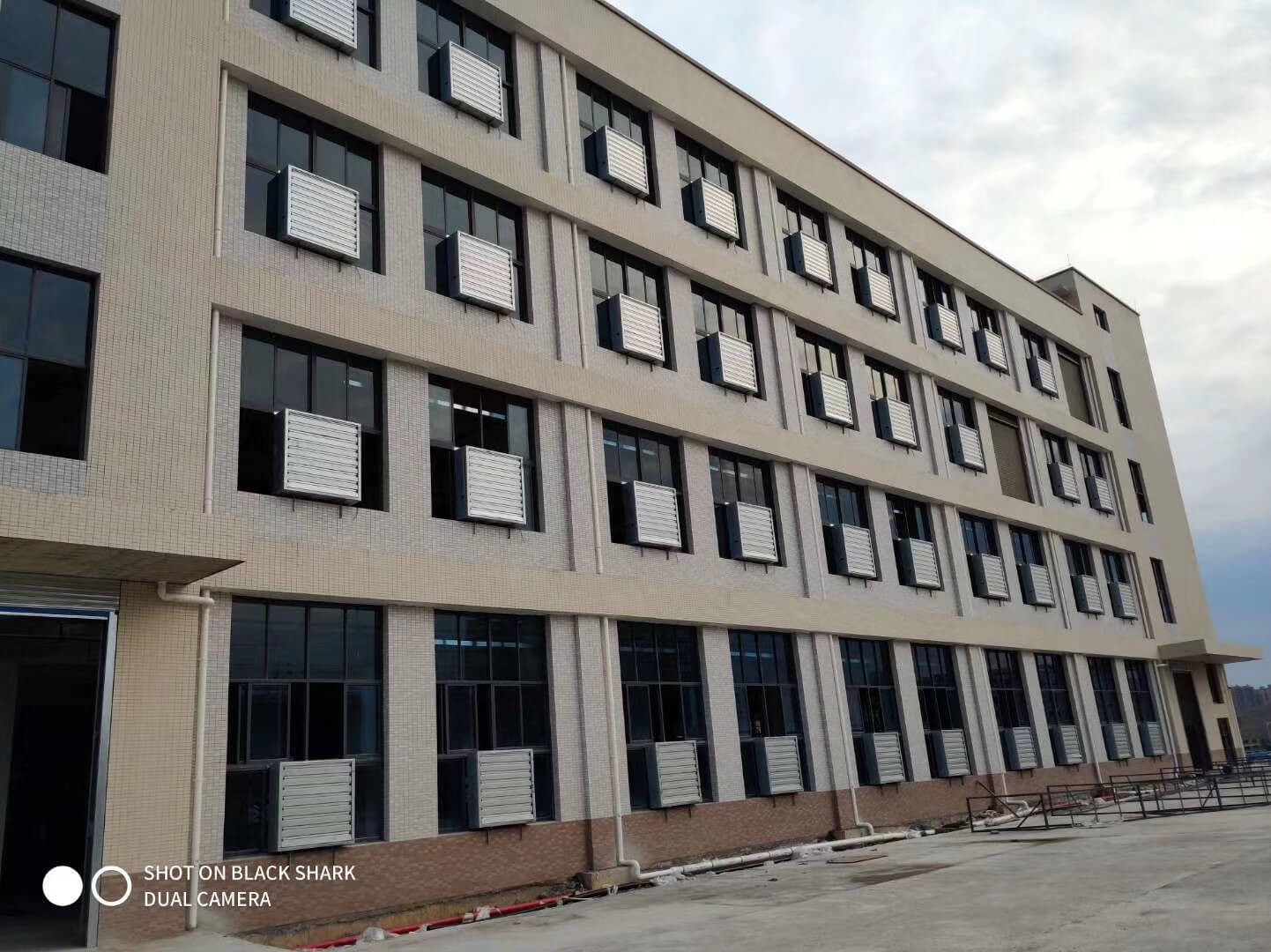
A negative pressure fan commissioning walkthrough is an opportunity to review the installed air route before routine operation. The fan removes indoor air, while replacement air enters through planned openings. The fan, make-up air inlets and room layout therefore need to be considered together.
Start with the ventilation objective
Write down what the area needs: general removal of warm or stale air, or control of a specific process source. General room exhaust may not replace source capture, filtration or other controls when a process creates hazardous dust, smoke or vapor. Define that limit before evaluating the fan installation.
Hengshuangda’s factory ventilation guide explains how a negative pressure exhaust fan and planned make-up air openings work as a system.
Trace the make-up air route
Walk the space from the planned air inlets toward the exhaust point. Check whether incoming air can pass through the occupied or hot area before it reaches the fan. A route that sends replacement air directly to the exhaust can bypass the zone that needs ventilation.
Look for blocked openings and changes in the room that could redirect airflow, including partitions, machinery, stored materials and closed doors. Record the actual conditions during the walkthrough; do not assume the paper layout matches the operating space.
Review resistance and fan data
Compare the project’s airflow requirement with the manufacturer’s published fan information at the expected system resistance. A free-air figure alone may not represent installed performance. Restricted inlet paths can increase resistance and reduce actual airflow, so inspect both the inlet route and the exhaust side.
The number and size of fans should be based on room conditions and the ventilation objective, not floor area alone. Confirm model-specific performance information with the supplier rather than estimating it from a general description.
Check installation conditions with the project team
Review the mounting structure, electrical supply, service access, relevant weather exposure and safe clearances with the supplier and responsible site professionals. Confirm that the arrangement allows the fan and its surrounding openings to be inspected and maintained according to the model’s instructions.
Record a useful operating baseline
Note the zone, fan location, available make-up air openings, door and partition positions, nearby equipment and the operating conditions during the review. Describe where air appears to enter and travel, and flag areas that seem bypassed or obstructed for further assessment. Keep the notes tied to this site; a walkthrough does not establish the same result for a different room or building.
For later service planning, use the checks in Hengshuangda’s negative pressure fan maintenance checklist together with the exact model guidance.
Frequently asked questions
Does a negative pressure fan supply replacement air?
No. The fan removes indoor air. Replacement air must enter through available openings, so those inlet paths should be planned and kept clear.
Why review the air route after installation?
Partitions, machinery, stored materials and closed doors can change the route. A site walkthrough helps identify whether incoming air can pass through the intended area or take a shorter path to the exhaust.
Is the free-air rating enough to confirm installed airflow?
No. Hengshuangda’s published guidance says to compare required airflow with manufacturer data at the expected system resistance; a free-air figure alone may not represent installed performance.
Can general exhaust handle process fumes or dust?
Not necessarily. Some processes need capture close to the source, filtration or other controls. Have the specific hazard and applicable requirements assessed by qualified professionals.
Does a walkthrough prove the whole factory is ventilated?
No. Findings apply to the reviewed area and its conditions. Other spaces need their own layout and operating review.
Use the walkthrough to document the real air path, identify questions for the project team and compare the installation with verified, model-specific information.