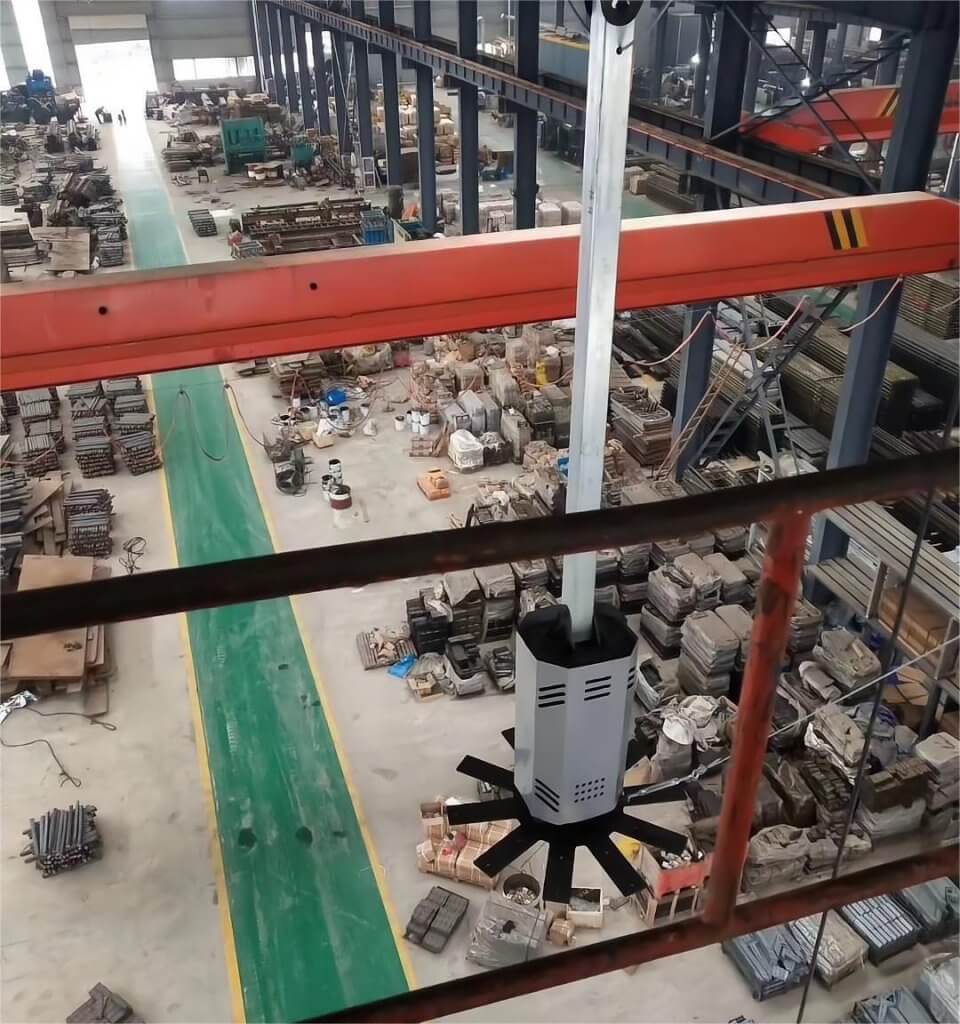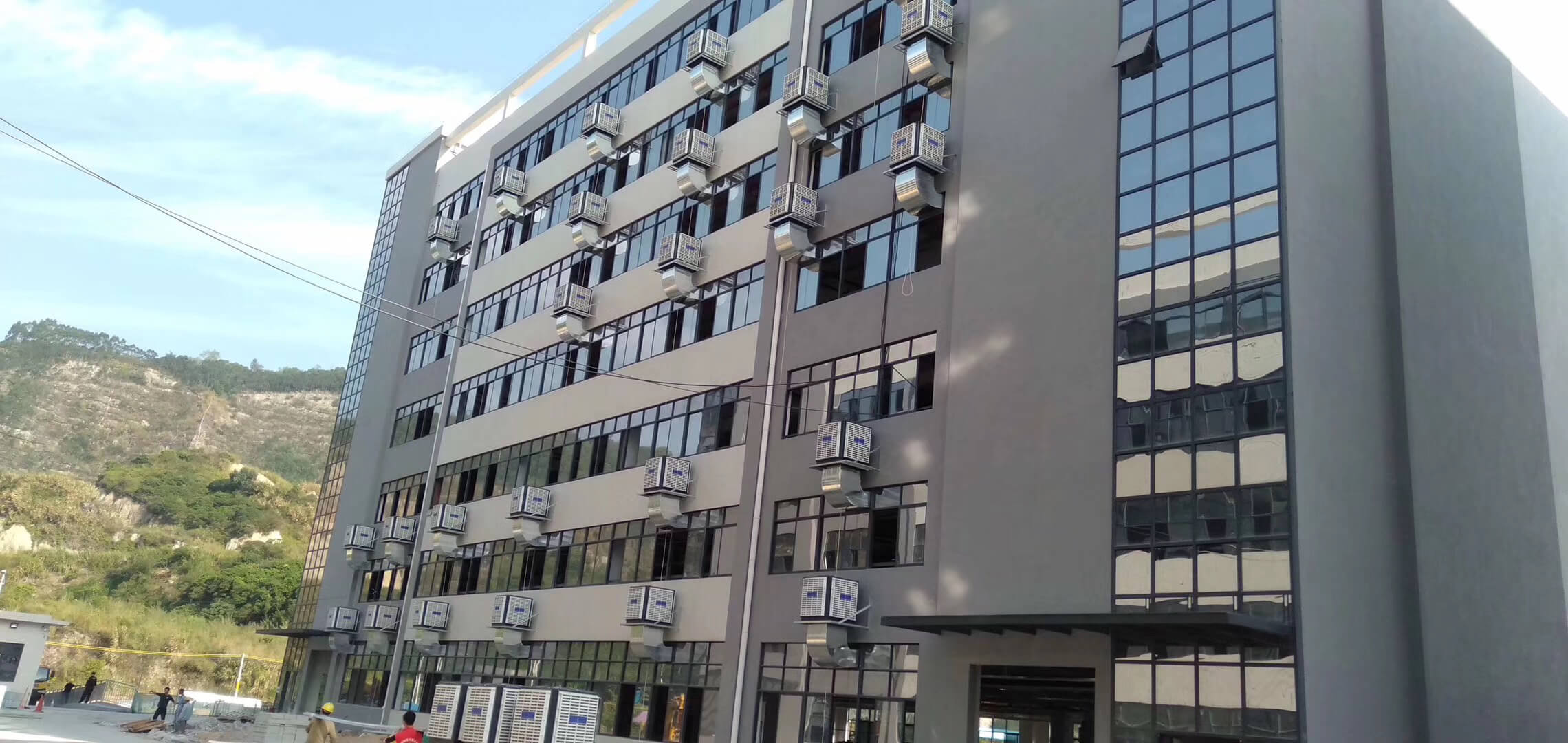
Regular maintenance helps an industrial evaporative air cooler deliver consistent airflow and makes developing issues easier to spot. The exact service steps depend on the unit design, water system, and manufacturer’s instructions, so use this checklist as a planning aid rather than a substitute for the equipment manual.
Why maintenance matters
An evaporative air cooler moves air through a wetted cooling medium. Dust, mineral deposits, uneven water distribution, leaks, or damaged components can affect the equipment’s operation. A planned inspection helps facility teams find these conditions before they disrupt daily work.
1. Make the unit safe to service
Before opening panels or reaching internal parts, shut the equipment down and isolate its electrical supply according to the site’s lockout and safety procedures. Follow the manufacturer’s instructions for access, cleaning agents, replacement parts, and any work involving electrical or moving components. If the installation is connected to a central water or control system, use the site’s approved isolation procedure as well.
2. Check the cooler and surrounding area
Look for water around the unit, loose panels, unusual noise or vibration, visible corrosion, and debris restricting air intake or discharge. Keep required service clearances and air openings unobstructed. Record changes from normal operation and refer persistent leaks or mechanical concerns to qualified service personnel.
3. Inspect the water circuit
Check accessible pipes, connections, valves, strainers, and the water distribution arrangement for leaks, blockage, or uneven flow. Where the design includes a tank or drain, inspect it for sediment and confirm that drainage works as intended. The appropriate cleaning method and water treatment depend on the specific equipment and local water conditions; follow the unit instructions and the facility’s water-management practices.
4. Examine the cooling media
Inspect the evaporative media for visible dirt, scale, damage, or areas that are not being wetted evenly. A visual check can help identify a distribution problem, but it does not establish whether the media should be cleaned or replaced. Use only the cleaning method and service interval approved for that model. Avoid forceful washing or chemicals unless the manufacturer specifically permits them.
5. Check the fan, guards, and controls
With the power isolated, check for debris near the fan, damaged guards, loose fasteners, or visible wear. Do not operate the cooler with protective covers removed. If the unit has control indicators or alarms, note any recurring warning and use the troubleshooting steps in its manual. Electrical testing and repairs should be handled by qualified personnel.
6. Verify operation after service
Before returning the cooler to service, reinstall panels and guards, clear tools and cleaning materials, and confirm that water and power connections are restored correctly. Start the equipment using its normal procedure. Check for even water distribution where visible, normal airflow, leaks, and unexpected sound. Document the work, observations, and any follow-up repair.
How often should an industrial evaporative air cooler be maintained?
There is no single interval that suits every installation. Service frequency can vary with operating hours, airborne dust, water quality, the cooler’s design, and the manufacturer’s recommendations. Use the equipment manual to set inspection and cleaning intervals, then adjust the site checklist when operating conditions change.
Frequently asked questions
Can I use the same cleaning method for every cooler?
No. Media materials and water-system designs differ. Check the specific unit manual before using a brush, pressure washer, descaling product, or other cleaning method.
What should I record during an inspection?
Record the date, operating hours if available, visible leaks, water distribution observations, media condition, unusual sounds, alarm indications, cleaning performed, and any service request. A consistent log helps teams compare conditions over time.
Where can I learn how an evaporative air cooler works?
Read our site article on the cooling principle of an evaporative air cooler for a basic explanation of the cooling process.
Plan maintenance around the equipment
A dependable maintenance routine starts with the model’s instructions and the conditions at the site. By checking the water circuit, cooling media, airflow path, and safety components, facility teams can organize service around what the unit actually needs without assuming that every cooler has identical parts or intervals.